

Managing diabetes often feels like a daily balancing act. Blood sugar levels can shift quickly, and small lifestyle choices — especially diet — can make a meaningful difference over time.
While medication and medical guidance remain essential, nutrition plays a central role in long-term blood sugar support. Certain nutrient-dense foods, commonly referred to as superfoods, have been widely studied for their potential role in metabolic health.
Below, we explore seven superfoods commonly included in diabetes-friendly diets, along with practical ways to enjoy them safely.
Why Diet Matters for People with Diabetes
What you eat directly influences how your body processes glucose. Diets that emphasize fiber-rich foods, healthy fats, lean proteins, and low-glycemic carbohydrates are often associated with more stable energy levels and fewer blood sugar fluctuations.
Superfoods stand out because they deliver high nutritional value with relatively low glycemic impact. When included consistently, they may help support insulin sensitivity, reduce inflammation, and promote overall metabolic balance.
7 Superfoods Diabetics May Benefit From Including
1. Leafy Greens
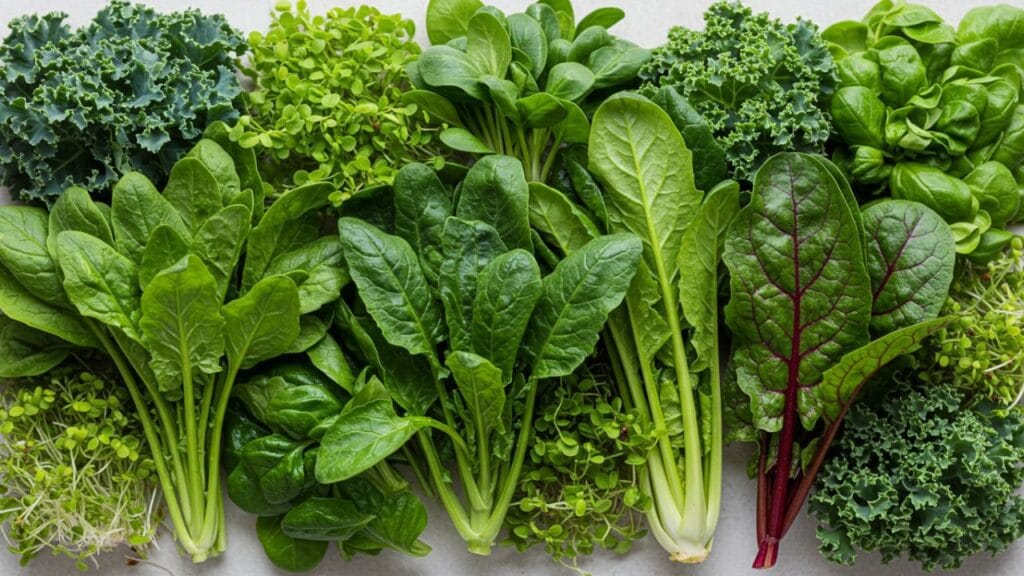
Leafy greens such as spinach, kale, and Swiss chard are low in carbohydrates while being rich in vitamins A, C, and K. More importantly, they provide a significant amount of dietary fiber, which may help slow glucose absorption.
Scientific Perspective:
Research published in journals like Diabetes Care has examined the association between higher leafy green intake and markers related to insulin sensitivity and metabolic health.
Why They Stand Out:
Unlike refined carbohydrates, leafy greens have a very low glycemic index and provide nutrients without triggering sharp glucose spikes.
Additional Benefits:
Leafy greens are also associated with cardiovascular support and inflammation balance.
How to Enjoy:
Add them to salads, smoothies, omelets, or serve lightly sautéed as a side dish.
2. Berries

Berries — including blueberries, strawberries, raspberries, and blackberries — offer natural sweetness alongside fiber and antioxidants.
Scientific Perspective:
Studies published in the Journal of Nutrition suggest that berry consumption has been associated with improved oxidative balance and markers related to glucose metabolism.
Why They Stand Out:
Compared to processed sweets, berries deliver flavor with a lower glycemic impact.
Additional Benefits:
Berries are commonly linked to heart and cognitive health.
How to Enjoy:
Add a small handful to yogurt, oatmeal, or enjoy them fresh as a snack.
3. Nuts and Seeds

Almonds, walnuts, chia seeds, and flaxseeds provide healthy fats, plant-based protein, and fiber.
Scientific Perspective:
Research featured in the American Journal of Clinical Nutrition suggests that regular nut consumption may be associated with improved insulin sensitivity and lipid balance.
Why They Stand Out:
Nuts and seeds promote satiety and provide steady energy compared to processed snack foods.
Additional Benefits:
They are often included in heart-supportive eating patterns.
How to Enjoy:
Sprinkle them on salads, blend into smoothies, or enjoy a small portion as a snack.
4. Avocados

Avocados are rich in monounsaturated fats, which play an important role in metabolic and cardiovascular health.
Scientific Perspective:
Studies have explored the relationship between healthy fat intake and markers related to insulin response and long-term metabolic balance.
Why They Stand Out:
Unlike high-carb foods, avocados help stabilize meals without raising blood sugar levels.
Additional Benefits:
They support digestive health and cholesterol balance.
How to Enjoy:
Add sliced avocado to salads, spread on whole-grain toast, or blend into smoothies.
5. Sweet Potatoes

Sweet potatoes provide complex carbohydrates along with fiber and essential micronutrients.
Scientific Perspective:
Research published in the Journal of Medicinal Food suggests sweet potatoes may have a lower glycemic impact than refined starches when consumed in controlled portions.
Why They Stand Out:
They digest more slowly than white potatoes, offering steadier energy.
Additional Benefits:
Rich in beta-carotene, which supports eye and immune health.
How to Enjoy:
Roast, mash, or add to soups and stews — while keeping portions moderate.
6. Cinnamon

Cinnamon has been widely studied for its potential role in metabolic support.
Scientific Perspective:
Research published in journals such as Diabetes Care suggests cinnamon has been associated with supporting healthy blood sugar markers and lipid balance when used in moderation.
Why It Stands Out:
Cinnamon adds flavor without sugar and fits easily into balanced meals.
Additional Benefits:
It also contains antioxidant compounds.
How to Enjoy:
Sprinkle on oatmeal, yogurt, smoothies, or coffee.
7. Legumes
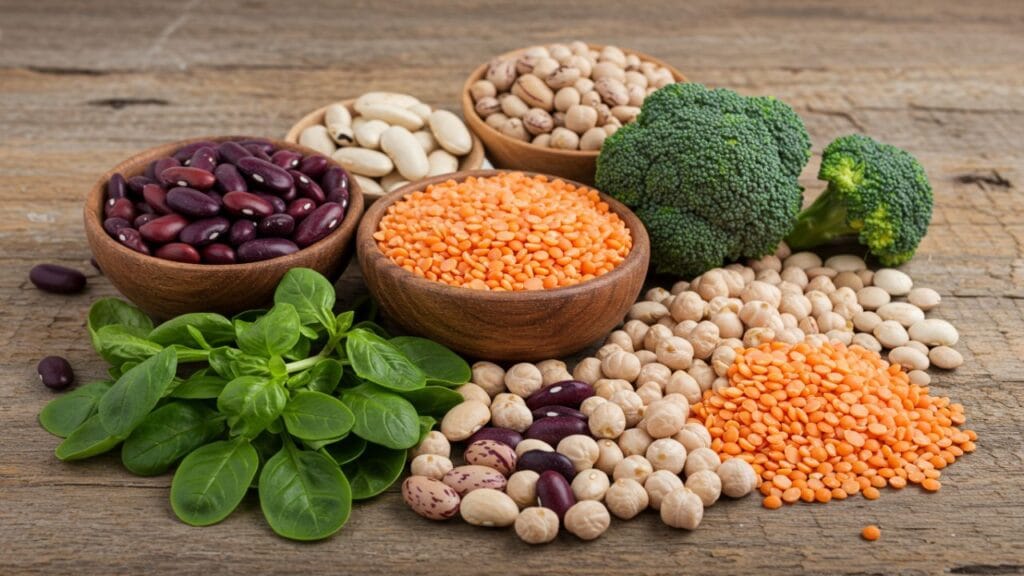
Beans, lentils, and chickpeas are rich in fiber and plant-based protein.
Scientific Perspective:
Studies in the American Journal of Clinical Nutrition have examined legume intake and its association with improved glycemic response as part of a balanced diet.
Why They Stand Out:
They offer slow-digesting carbohydrates that help maintain stable energy.
Additional Benefits:
Legumes support heart health and weight management.
How to Enjoy:
Add to salads, soups, stews, or prepare homemade hummus.
How to Incorporate These Superfoods Daily
- Breakfast: Smoothie with leafy greens, berries, chia seeds, and cinnamon
- Lunch: Salad with avocado, nuts, seeds, and legumes
- Dinner: Stew with sweet potatoes, leafy greens, and beans
- Snacks: Nuts, berries, or vegetables with hummus
Potential Side Effects and Precautions
Even healthy foods may require moderation:
- Leafy greens: High vitamin K may interact with blood thinners
- Nuts: Calorie-dense and potential allergens
- Cinnamon: Excess amounts may affect the liver (especially Cassia cinnamon)
- Legumes: May cause bloating in sensitive individuals
If you take medication or have specific conditions, consult a healthcare professional before making major dietary changes.
Conclusion: Supporting Blood Sugar Through Smarter Nutrition
A balanced, nutrient-rich diet remains one of the most effective tools for supporting healthy blood sugar levels. By choosing whole foods and maintaining consistency, many people experience improved energy, better metabolic balance, and long-term wellness support.
Supporting Blood Sugar Balance Beyond Diet
While nutrition and lifestyle form the foundation of blood sugar support, some individuals choose to complement healthy habits with natural supplements designed to support glucose metabolism.
GlucoTonic was developed to work alongside diet and lifestyle strategies — supporting metabolic balance without replacing medical care or nutritional fundamentals.
👉 Learn more about GlucoTonic here.
Reviewed by Laura Collins
Editor & Lead Content Researcher at Wellness Balance Pro
Laura Collins reviews wellness and metabolic health content using a research-based approach focused on clarity, accuracy, and real-world relevance.