

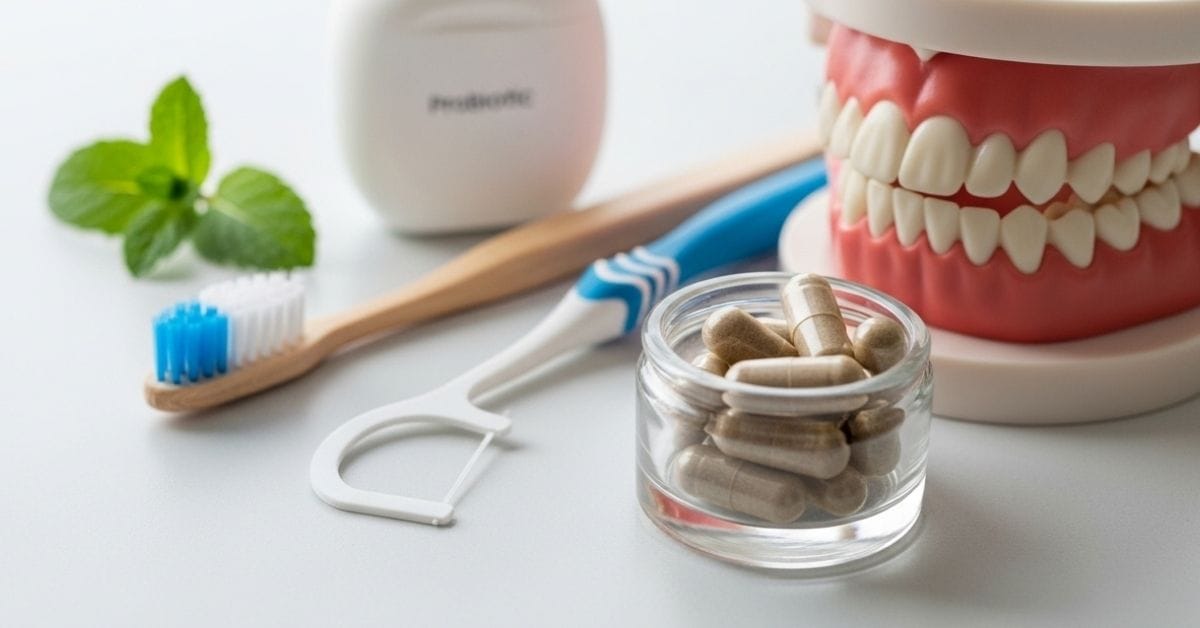
Oral health goes far beyond brushing your teeth. Healthy gums, a balanced oral microbiome, and low inflammation all play a critical role in protecting not only your smile—but also your overall health.
For many adults, especially those dealing with gum sensitivity, bad breath, or early signs of inflammation, oral health supplements are becoming an increasingly popular way to support daily care routines.
In this 2026 guide, you’ll learn how oral health works, what causes common gum problems, and how specific supplements may support teeth and gum health safely and effectively.
Why Oral Health Matters
Your mouth is home to billions of bacteria—both beneficial and harmful.
When this balance is disrupted, it can lead to:
- Gum inflammation (gingivitis)
- Periodontal disease
- Persistent bad breath
- Increased plaque buildup
Research suggests that chronic gum inflammation may also be associated with broader health concerns, including cardiovascular issues and metabolic conditions.
👉 Maintaining a healthy oral microbiome is key to long-term wellness.
Understanding Gum Disease
Gingivitis (Early Stage)
This is the earliest form of gum disease and is often reversible.
Common symptoms:
- Redness
- Swelling
- Bleeding during brushing
Periodontitis (Advanced Stage)
If untreated, gingivitis may progress into periodontitis.
This condition may lead to:
- Gum recession
- Tooth mobility
- Bone loss
👉 At this stage, professional dental care is essential.
Can Supplements Improve Oral Health?
Daily habits like brushing, flossing, and dental visits remain essential.
However, some oral health supplements may help support:
- Healthy bacterial balance
- Gum tissue strength
- Reduced inflammation
- Fresh breath
These supplements are designed to complement—not replace—oral hygiene.
Some formulations, particularly oral probiotics, are designed to directly support the microbiome. For example,
👉 ProDentim Review: Does It Work for Oral Health?
explores how targeted bacterial strains may help improve gum health and breath freshness.
Best Oral Health Supplements: Key Categories
Understanding ingredient categories is more important than focusing only on brand names.
1️⃣ Oral Probiotics (Microbiome Support)
Oral probiotics are one of the most researched categories in oral supplementation.
They may help:
- Balance harmful bacteria
- Support gum health
- Improve breath freshness
Some formulations are specifically designed for daily microbiome support.
👉 ProDentim Review: Does It Work for Oral Health?
provides a detailed breakdown of how these probiotic strains are used in practice.
2️⃣ Herbal & Botanical Gum Support
Certain plant-based ingredients have traditionally been used to support gum health.
These may help:
- Reduce inflammation
- Protect gum tissue
- Support microbial balance
Some modern formulas combine multiple botanical extracts for targeted support.
👉 ProvaDent Review: Does It Work for Oral Microbiome Balance?
examines how these ingredients are used in structured formulations.
3️⃣ Zinc & Mineral Support
Zinc plays an important role in oral health:
- Helps control odor-causing bacteria
- Supports immune response in gum tissue
It’s commonly included in formulas targeting bad breath and gum sensitivity.
4️⃣ Antioxidant Support
Oxidative stress can impact gum tissue health.
Antioxidants may help:
- Reduce inflammation
- Support tissue repair
- Improve overall oral resilience
Comparison: What to Look for in an Oral Health Supplement
| Feature | Why It Matters |
|---|---|
| Transparent ingredient list | Ensures clarity and trust |
| Clinically studied strains | Stronger scientific support |
| No exaggerated claims | Avoids misleading products |
| Certified manufacturing | Ensures product quality |
How to Choose the Best Oral Health Supplement Safely
Before adding any supplement to your routine:
- Consult your dentist or healthcare provider
- Avoid products claiming to “cure” gum disease
- Check for allergens or sensitivities
- Use supplements alongside brushing and flossing
If you’re evaluating different options, reviewing ingredient quality and formulation strategy is essential. Exploring detailed product breakdowns—like those linked throughout this guide—can help you make a more informed decision.
The Role of the Oral Microbiome
A balanced oral microbiome supports:
- Healthy gums
- Fresh breath
- Plaque control
However, this balance can be disrupted by:
- Poor oral hygiene
- Smoking
- High sugar intake
- Dry mouth
This is why microbiome-focused supplements have gained attention in recent years.
When Supplements Are Not Enough
Supplements are supportive—but not a substitute for professional care.
Seek dental evaluation if you experience:
- Persistent gum bleeding
- Loose teeth
- Severe gum recession
- Ongoing oral pain
Advanced gum disease requires clinical treatment.
Frequently Asked Questions
Do oral probiotics really work?
Some research suggests certain strains may support gum health and breath, but results vary.
Can supplements replace brushing?
No. Supplements are complementary, not replacements.
How long before results?
Many studies evaluate results over 4–12 weeks.
Final Thoughts
The best oral health supplements are those that:
- Support the oral microbiome
- Use evidence-based ingredients
- Avoid unrealistic claims
- Complement daily oral hygiene
A consistent routine that combines proper care, diet, and informed supplementation offers the best path toward long-term oral health.
🔗 Top Oral Health Supplements Reviewed
If you’re exploring your options, here are some of the most discussed formulations analyzed on this site:
- ProDentim Review: Does It Work for Oral Health?
- ProvaDent Review: Does It Work for Oral Microbiome Balance?
⚠️ Important:
Never stop, reduce, or replace any prescribed medication without medical supervision. Dietary supplements are intended to support overall health and should not be used as a substitute for professional medical treatment.
Reviewed by Laura Collins
Editor & Lead Content Researcher at Wellness Balance Pro
Laura Collins reviews wellness and metabolic health content using a research-based approach focused on clarity, accuracy, and real-world relevance.