
🔗 Official GlucoBerry Website
(Check current price and availability)
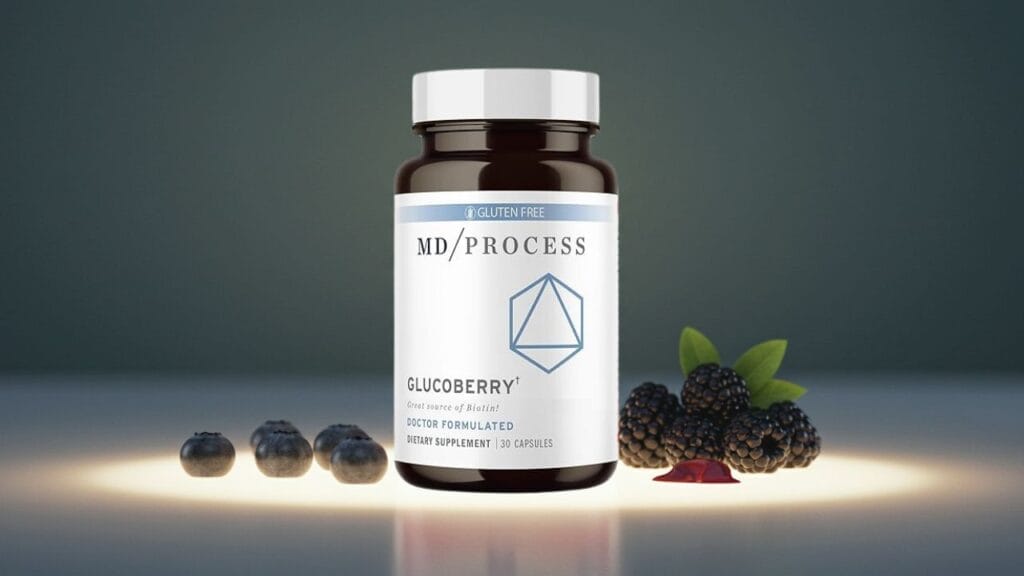
Glucoberry is a natural dietary supplement marketed to support healthy blood sugar regulation and metabolic balance, particularly for individuals experiencing diet-related glucose fluctuations. It combines several plant-based compounds commonly studied for insulin sensitivity and glucose metabolism, though the finished formula itself has not been clinically tested. Evidence for its ingredients is mixed and context-dependent, making expectations important. Overall, Glucoberry may appeal to adults seeking non-prescription metabolic support who understand its limitations and role as a complementary—not primary—approach.
👉 If this aligns with what you’re looking for, you can review the official product details here.
Many readers prefer checking the source directly before making a decision.
What Is Glucoberry?
Glucoberry is positioned as a dietary supplement intended to support:
- Blood glucose regulation
- Insulin sensitivity
- Metabolic balance
- Diet-related blood sugar variability
It is not marketed as a treatment for diabetes or any disease, but rather as a supportive, wellness-oriented formula for adults concerned about metabolic health. Like most supplements in this category, Glucoberry is designed to be used alongside dietary awareness, physical activity, and general lifestyle measures.
The product is typically sold online and promoted as a plant-based alternative for individuals hesitant to pursue prescription interventions or those looking for additional support beyond diet alone.
What Problem Does Glucoberry Claim to Address?
Understanding Blood Sugar Regulation
Blood sugar (glucose) regulation is a tightly controlled physiological process involving:
- Insulin production and sensitivity
- Glucose uptake by muscle and liver tissue
- Hepatic glucose output
- Dietary carbohydrate load
When this system becomes inefficient—often due to diet, inactivity, or metabolic stress—individuals may experience:
- Post-meal glucose spikes
- Energy crashes
- Increased hunger or cravings
- Difficulty maintaining healthy weight
Related Terminology and Conditions
While Glucoberry avoids medical claims, it is implicitly marketed toward individuals concerned with:
- Insulin resistance
- Prediabetic glucose patterns
- Metabolic syndrome risk factors
- Glycemic variability
These terms are frequently associated with early metabolic imbalance, though they require clinical testing for diagnosis.
Importantly, blood sugar dysregulation exists on a spectrum, and not all fluctuations indicate disease. This nuance matters when evaluating supplements like Glucoberry.
Scientific & Formula Analysis
Ingredient-Level Evidence vs Product-Level Evidence
A critical distinction in supplement evaluation is the difference between:
- Ingredient-level research (studies on individual compounds)
- Finished-product clinical trials (testing the full formula as sold)
Glucoberry, like most supplements, relies on ingredient-level evidence. There are no publicly available clinical trials on the complete Glucoberry formula.
This does not automatically invalidate the product, but it limits certainty regarding real-world outcomes.
Common Ingredient Categories in Blood Sugar Supplements
While formulations can change, products like Glucoberry typically include ingredients drawn from the following categories:
1. Plant Polyphenols and Extracts
Often studied for their potential effects on:
- Glucose uptake
- Insulin signaling pathways
- Oxidative stress related to metabolic dysfunction
Research findings vary widely depending on dosage, extract standardization, and population studied.
2. Mineral Cofactors
Certain minerals are involved in:
- Insulin receptor signaling
- Carbohydrate metabolism
However, clinical benefits are usually observed only when correcting an existing deficiency.
3. Antioxidant Compounds
Oxidative stress is linked to insulin resistance, but antioxidant supplementation has produced inconsistent results in human trials.
Dosage Considerations
One of the most important—but often overlooked—factors is dosage relative to clinically studied amounts.
- Many supplement studies use isolated, high-dose extracts
- Commercial formulas often include lower, blended doses
Without transparent, clearly labeled dosages that match research protocols, efficacy becomes harder to predict.
Mechanism Plausibility
From a biological standpoint, the mechanisms proposed for Glucoberry’s ingredients are plausible, but plausibility does not equal clinical effectiveness. The body’s glucose regulation system is complex, adaptive, and influenced by numerous variables beyond supplementation.
What the Formula Lacks (High-Trust Analysis)
This section is critical for balanced evaluation.
1. Absence of Full-Formula Clinical Trials
There is no evidence that the complete Glucoberry formulation has been tested in controlled human studies. This limits confidence in outcome predictability.
2. Potentially Subclinical Dosages
Many metabolic ingredients demonstrate effects only at:
- Specific standardized extract levels
- Sustained dosing under controlled conditions
If Glucoberry’s ingredient quantities fall below these thresholds, benefits may be modest or inconsistent.
3. Missing Transparency Elements
Without:
- Full disclosure of extract standardization
- Clear sourcing details
- Independent third-party testing verification
It becomes more difficult for consumers to independently assess quality.
4. Lack of Personalization
Blood sugar responses are highly individual. A one-size-fits-all supplement cannot account for:
- Genetic differences
- Gut microbiome variation
- Existing metabolic conditions
These limitations are not unique to Glucoberry but apply broadly across the supplement category.
Marketing Claims vs Reality
Clarifying Common Promotional Language
Marketing for blood sugar supplements often includes phrases such as:
- “Supports healthy glucose levels”
- “Promotes insulin sensitivity”
- “Helps maintain metabolic balance”
These statements are structure/function claims, not medical claims, and are permitted under US supplement regulations.
FDA Approval Misconceptions
Glucoberry is not FDA approved. This is not unusual.
- The FDA does not approve dietary supplements
- Manufacturers are responsible for safety
- Claims must avoid disease treatment language
Being “FDA compliant” is not the same as being FDA approved.
Mechanism vs Exaggeration
While ingredient mechanisms may be biologically reasonable, marketing materials sometimes imply outcomes that exceed available evidence. A careful reader should separate:
- What ingredients might support
- From what the product is proven to do
👉 For those who feel comfortable with the evidence and limitations discussed above, the official website provides full ingredient transparency and availability details.
Reviewing the details directly can help you make a fully informed decision.
How It Compares to Alternatives
Compared to Other Natural Supplements
Most blood sugar supplements share overlapping ingredients and face similar limitations:
- Ingredient-level evidence only
- Variable dosing
- Modest effect sizes
Differences often come down to formulation philosophy and transparency rather than dramatic efficacy gaps.
Compared to Prescription Medications (Mechanism Only)
Prescription glucose-regulating medications:
- Act on specific biochemical targets
- Have defined dosing and monitoring
- Require medical supervision
Supplements operate indirectly and cannot replicate pharmaceutical potency.
Compared to Lifestyle Interventions
Lifestyle changes remain the most evidence-supported approach for metabolic health.
Structured Comparison Table
| Aspect | Glucoberry | Prescription Option | Lifestyle Intervention |
|---|---|---|---|
| Mechanism | Indirect metabolic support | Direct biochemical action | System-wide metabolic improvement |
| Onset Time | Gradual, variable | Predictable | Gradual but durable |
| Potency | Mild to moderate | High | High (long-term) |
| Supervision Needed | No | Yes | Optional |
Side Effects & Safety Considerations
General Safety Profile
Most ingredients commonly used in blood sugar supplements are considered safe for healthy adults when used as directed. However, potential concerns include:
- Digestive discomfort
- Interactions with glucose-lowering medications
- Overlapping ingredient intake from multiple supplements
Who Should Avoid Use
- Individuals on insulin or glucose-lowering drugs
- Those with diagnosed metabolic disease without medical supervision
- Pregnant or breastfeeding individuals
Regulatory Context
Dietary supplements are regulated as foods, not drugs. This means:
- No pre-market approval
- Post-market safety monitoring
- Responsibility placed on manufacturers
When Supplements Are Not Enough
This is a crucial trust-building point.
Red Flag Symptoms
Persistent symptoms such as:
- Frequent excessive thirst
- Unexplained weight loss
- Chronic fatigue
- Vision changes
Require medical evaluation.
Supplements Are Not Substitutes
Blood sugar dysregulation can reflect:
- Hormonal disorders
- Pancreatic dysfunction
- Systemic metabolic disease
Supplements should never delay diagnosis or treatment.
Realistic Timeline for Results
Biological Plausibility
If benefits occur, they are likely due to:
- Gradual metabolic signaling changes
- Improved post-meal glucose handling
Typical User-Reported Timeframes
Anecdotal reports for similar supplements often range from:
- 2–4 weeks for subtle changes
- 8–12 weeks for clearer patterns
Variability is high and expectations should remain conservative.
Pros and Cons
Pros
- Non-prescription option
- Familiar ingredient categories
- May complement lifestyle efforts
- Generally accessible
Cons
- No full-product clinical trials
- Unclear dosage alignment with research
- Effects likely modest
- Not suitable for all individuals
Pricing & Availability
Glucoberry is typically sold directly online rather than through major retail outlets. Pricing often varies based on:
- Package size
- Subscription options
- Promotional structures
👉 Readers may verify current pricing on the official website.
This can help confirm current availability and package options before deciding.
Final Verdict
Glucoberry appears to be a standard-formulation metabolic support supplement built around ingredients with plausible—but limited—evidence for blood sugar regulation. It is unlikely to produce dramatic effects, but may offer mild support for adults seeking a non-prescription approach and who understand its boundaries. Those with diagnosed metabolic conditions or expectations of therapeutic outcomes should look elsewhere.
For readers seeking a structured, non-prescription approach and who understand its limitations, this may represent a reasonable option.
FAQ (Featured Snippet Optimized)
Is Glucoberry legit or a scam?
Glucoberry appears to be a legitimate dietary supplement, though its effectiveness depends on individual response and realistic expectations.
Is Glucoberry FDA approved?
No. Dietary supplements are not FDA approved, but they must comply with FDA regulations.
How long does it take to work?
If effects occur, they are typically gradual and may take several weeks.
Are there side effects?
Side effects are generally mild but may include digestive discomfort or medication interactions.
Is there clinical research on the full formula?
No publicly available clinical trials exist on the complete Glucoberry formula.
Can it be purchased on Amazon?
Availability varies, but many supplements are sold exclusively through official websites.
Related Articles
- Best natural supplements for blood sugar support
- How insulin sensitivity works in the body
- Causes of blood sugar fluctuations
- Supplements vs prescription glucose treatments
- Lifestyle strategies for metabolic health
Reviewed by Laura Collins
Editor & Lead Content Researcher at Wellness Balance Pro
Laura Collins reviews wellness and metabolic health content using a research-based approach focused on clarity, accuracy, and real-world relevance.