

Affiliate disclosure: This page contains affiliate links. If you purchase through our links, we may earn a commission at no extra cost to you. This does not influence our analysis — we only recommend products whose ingredients have scientific backing. See our editorial policy.
Medical disclaimer: This review is for informational purposes only and does not constitute medical advice. GlucoTrust is a dietary supplement, not a drug. It is not intended to diagnose, treat, cure, or prevent any disease. If you have diabetes or any metabolic condition, consult your doctor before use.
The Short Version (For People Who Are Busy)
GlucoTrust is a blood sugar support supplement sold exclusively online. It contains 8 key ingredients — several of which have genuine clinical research behind them at the right doses. It is not a miracle pill, it will not replace medication, and it works best as part of a broader lifestyle effort.
Who it may work for: Adults with diet-related glucose fluctuations, afternoon energy crashes, or sugar cravings who are already making dietary improvements and want additional metabolic support.
Who should skip it: Anyone on insulin or prescription glucose-lowering medications (interaction risk), people expecting fast dramatic results, and anyone looking to replace doctor-prescribed treatment.
Bottom line: More scientifically credible than most supplements in this category — but expectations need to stay realistic.
→ Check current pricing and availability on the official GlucoTrust website
What Is GlucoTrust, Exactly?
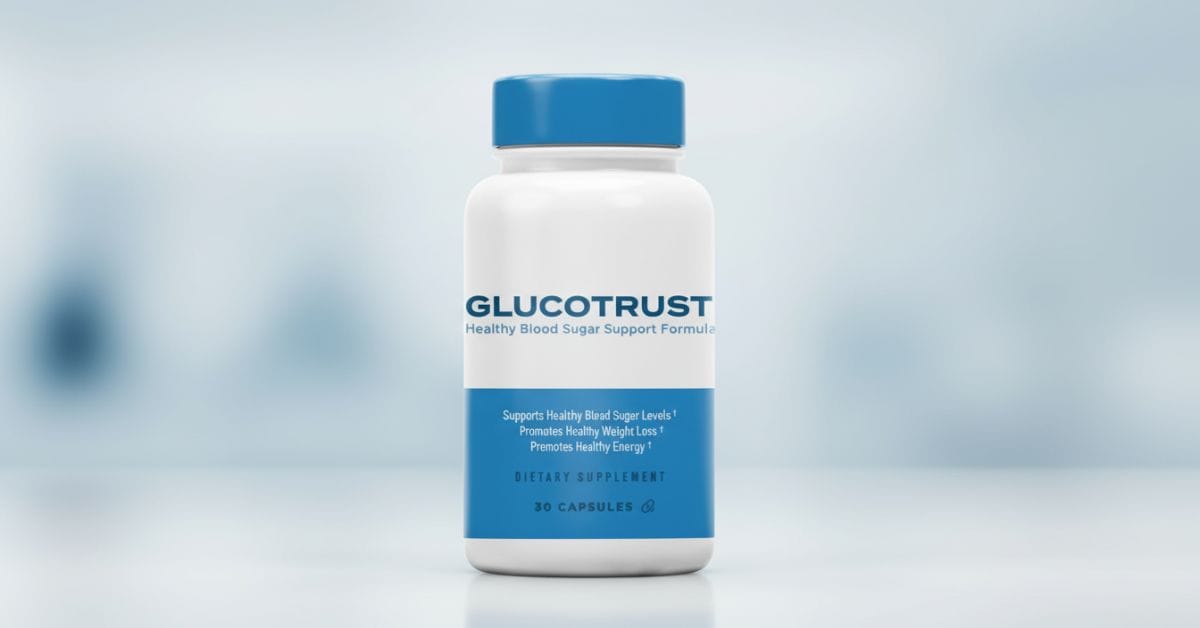
GlucoTrust is a once-daily capsule supplement marketed to support healthy blood sugar levels, insulin sensitivity, and what the brand describes as “deep, hormone-balancing sleep.” It is distributed by BuyGoods and sold primarily through its official website.
The formula contains a blend of 8 ingredients drawn from both traditional herbal medicine and modern nutritional science. Unlike most supplements in this space, GlucoTrust leans into sleep quality as a metabolic lever — which is actually supported by research, as we’ll cover below.
One capsule per day, taken before bed. A 30-day supply is priced at $69, with significant per-bottle discounts at 3-month ($49/bottle) and 6-month ($39/bottle) quantities. The company offers a 180-day money-back guarantee — one of the longest in the supplement industry.
The Ingredient Breakdown: What the Science Actually Says
This is the section that matters. Most GlucoTrust reviews online list the ingredients without ever telling you what the research says — or whether the dose in the capsule matches what was used in clinical studies. We did that work.
Note: GlucoTrust does not disclose exact mg amounts per ingredient publicly on its label. The analysis below covers what clinical research has established for each ingredient.
1. Gymnema Sylvestre
Evidence strength: Strong for blood sugar | Moderate for cravings
Gymnema Sylvestre is an Ayurvedic herb used for centuries to manage blood sugar. Its active compounds — gymnemic acids — work by temporarily blocking sweet taste receptors and by supporting insulin secretion from the pancreas.
In human clinical trials, doses of 400–600 mg/day showed significant reductions in fasting blood glucose, HbA1c, and body weight in adults with impaired glucose tolerance. A study using 600 mg/day (300 mg twice daily) found meaningful reductions in 2-hour OGTT values and improved insulin sensitivity after 3 months (Consensus, 2024).
A separate study published in Nutrients (2024) using Gymnema Sylvestre alongside zinc and chromium in 81 adults with mildly elevated fasting glucose confirmed improvements in glucose metabolism after 3 months of supplementation (MDPI, 2024).
The craving-reduction effect is real too: research published in PMC found that gymnemic acids suppress the desire for high-sugar sweet foods by temporarily blocking sweet taste perception — a practical mechanism for anyone trying to reduce sugar intake (PMC, 2020).
Verdict: The most evidence-backed ingredient in the formula. Dose transparency from GlucoTrust would be helpful, but the ingredient itself has solid human research.
2. Cinnamon (Bark Extract)
Evidence strength: Strong — one of the most studied spices for blood sugar
Cinnamon is the ingredient with the deepest clinical research in this formula. A 2024 meta-analysis of 24 randomized controlled trials found that cinnamon supplementation produced statistically significant reductions in fasting blood sugar, HOMA-IR (insulin resistance index), and HbA1c in people with type 2 diabetes (PubMed, 2024).
An umbrella meta-analysis covering 11 prior meta-analyses confirmed these findings, with cinnamon reducing fasting glucose by approximately 10.93 mg/dL, lowering insulin levels, and improving HOMA-IR scores (PMC, 2023).
Effective doses in the literature range from 1–6 g/day, with a 2025 umbrella review noting more pronounced effects at doses above 1.5 g/day for shorter durations (PMC, 2025).
The key caveat: GlucoTrust’s cinnamon dose is undisclosed. If it falls below 1 g/day — which is common in capsule blends — the effect may be modest rather than significant.
Verdict: Legitimately useful ingredient with substantial evidence. Dose is the critical unknown.
3. Chromium
Evidence strength: Moderate — benefits depend heavily on baseline deficiency
Chromium is a trace mineral that acts as a cofactor for insulin receptor signaling. The NIH’s Office of Dietary Supplements notes that a landmark 1997 RCT found 1,000 mcg/day chromium significantly reduced fasting glucose and HbA1c in type 2 diabetic adults at both 2 and 4 months, with 200 mcg/day also showing benefit (NIH ODS).
However, the evidence is genuinely mixed. Several rigorous trials using 500–1,000 mcg/day in non-deficient, non-diabetic populations found no significant improvement in insulin sensitivity. A double-blind placebo-controlled trial published in PMC actually found that high serum chromium in healthy subjects was associated with worsened insulin sensitivity, suggesting that supplementation is most useful when correcting an actual deficiency (PMC).
Verdict: Most beneficial for people who are chromium-deficient (common in people who eat a lot of refined carbs). Less impactful in metabolically healthy adults.
4. Biotin (Vitamin B7)
Evidence strength: Moderate — indirect metabolic role
Biotin is a B-vitamin essential for several metabolic enzymes involved in glucose and fatty acid metabolism. At supplemental doses, biotin has been shown to enhance glucokinase activity in the liver — an enzyme that helps the liver sense and respond to blood glucose levels.
Research suggests biotin may modestly reduce fasting glucose and improve glucose utilization, particularly when combined with chromium. A combination of biotin + chromium picolinate showed improved glycemic control in people with type 2 diabetes in several trials. The individual effect of biotin alone at the doses typically found in supplements remains less clearly established.
Verdict: A useful supporting ingredient. Works better in combination than in isolation — which is exactly how it’s formulated here.
5. Manganese
Evidence strength: Moderate — cofactor for insulin synthesis
Manganese is a trace mineral required for the normal function of several enzymes involved in glucose metabolism, including those that regulate insulin synthesis in pancreatic beta cells. Low manganese status has been associated with impaired glucose tolerance and increased diabetes risk in observational studies.
Supplementation studies are limited and results are mixed, but manganese’s role as a metabolic cofactor is well established. The risk of deficiency is real in people with poor diets high in processed foods.
Verdict: A supportive micronutrient. Not the star of the formula, but its absence would be a gap.
6. Licorice Root Extract
Evidence strength: Preliminary — promising but limited human data
Licorice root contains glabridin and other compounds that have shown anti-inflammatory and insulin-sensitizing properties in cell and animal studies. Some human research suggests benefits for lipid profiles and blood sugar, but the evidence base in humans is smaller and less consistent than for Gymnema or Cinnamon.
One important note: high doses of licorice root over extended periods can raise blood pressure due to glycyrrhizin content. Most commercial extracts used in supplements are deglycyrrhizinated (DGL), which removes this risk — but it’s worth confirming.
Verdict: Potentially useful anti-inflammatory support. Human evidence is early-stage. If you have hypertension, confirm the extract type.
7. Zinc
Evidence strength: Strong — essential for insulin storage and function
Zinc is directly involved in insulin synthesis, storage, and secretion. Pancreatic beta cells have the highest zinc concentration of any cell in the body — zinc is literally structural to how insulin is packaged and released.
Multiple studies have confirmed that zinc supplementation improves fasting glucose and HbA1c in people with zinc deficiency or type 2 diabetes. A 2024 trial combining zinc with Gymnema Sylvestre and chromium showed significant improvements in fasting blood glucose after 3 months in adults with mildly elevated glucose (MDPI, 2024).
Zinc deficiency is notably common in people who consume high amounts of refined carbohydrates, alcohol, or have GI absorption issues.
Verdict: One of the stronger micronutrient inclusions. Practical impact is highest in people who are zinc-deficient — which may include a significant portion of GlucoTrust’s target audience.
8. Juniper Berries
Evidence strength: Preliminary — mostly traditional use
Juniper berries have a long history in traditional medicine for supporting metabolic function and urinary health. Some animal and in vitro studies suggest antioxidant and mild anti-inflammatory properties, but rigorous human clinical trials specifically for blood sugar are limited.
This is the formula’s weakest ingredient from an evidence standpoint. It likely functions as an antioxidant support ingredient rather than a primary glycemic agent.
Verdict: Minimal direct blood sugar evidence. Its inclusion is more traditional than clinical.
The Sleep Angle: Is It Legit?
GlucoTrust’s marketing heavily emphasizes sleep quality as a pathway to better blood sugar — and this is actually well-supported by science.
Research consistently shows that even one night of poor sleep reduces insulin sensitivity measurably the next day. Chronic sleep deprivation elevates cortisol, which raises baseline blood glucose and interferes with the glucose-lowering effects of insulin. This is one reason why two people eating identical diets can have dramatically different blood sugar responses — sleep patterns.
If GlucoTrust’s formula genuinely supports deeper sleep (the brand claims some ingredients support deeper sleep stages and hormonal regulation), that benefit would have real downstream effects on metabolic health. The problem is that no ingredient in the publicly disclosed formula is a specifically sleep-targeting compound — no melatonin, no ashwagandha, no L-theanine. The sleep claim may be based on the downstream effect of reduced cortisol from better-regulated blood sugar, rather than a direct sleep mechanism.
Who Should Consider GlucoTrust
Potentially a good fit if you:
- Experience consistent afternoon energy crashes or post-meal fatigue
- Have strong sugar cravings that make dietary changes difficult
- Eat a diet high in refined carbohydrates and are actively trying to improve it
- Have mildly elevated fasting glucose (pre-diabetic range) and are not yet on prescription medication
- Want to complement lifestyle changes with a research-backed supplement stack
Not a good fit if you:
- Take insulin or prescription glucose-lowering drugs (serious interaction risk — consult your doctor)
- Have diagnosed type 1 or type 2 diabetes and need clinically proven treatment
- Expect results without dietary changes — no supplement overcomes a high-sugar diet
- Are pregnant or breastfeeding
- Have high blood pressure and are concerned about licorice root (confirm DGL extraction)
How It Compares to Alternatives
| GlucoTrust | Berberine supplements | Lifestyle only | |
|---|---|---|---|
| Evidence base | Moderate (ingredient-level) | Strong (direct glucose effects) | Very strong |
| Mechanism | Multi-ingredient support | Direct AMPK activation | System-wide |
| Ease of use | 1 capsule/day | 2–3 capsules/day with meals | Requires daily effort |
| Cost | ~$49–69/month | ~$25–50/month | Low to zero |
| Prescription needed | No | No | No |
| Side effects | Low risk | GI discomfort common | None |
Honest note: Berberine has more direct clinical evidence for blood sugar reduction than GlucoTrust’s formula. If you’re purely comparing evidence strength, berberine is a stronger single-ingredient option. GlucoTrust’s advantage is the broader multi-ingredient approach that addresses cravings, micronutrient gaps, and antioxidant support simultaneously.
Pricing and What’s Included
GlucoTrust is sold only through its official website. Current pricing:
- 1 bottle (30-day supply): $69 + shipping
- 3 bottles (90-day supply): $49/bottle — free shipping
- 6 bottles (180-day supply): $39/bottle — free shipping + 3 digital bonus guides
The 6-bottle option includes three bonus digital guides: a fat-burning smoothie recipe book, a superfoods reference guide, and a 3-day liver cleanse protocol.
The 180-day money-back guarantee is the most consumer-friendly policy we’ve seen in this product category. You can try two full bottles, decide it’s not working, and still get a full refund. That is a meaningful commitment from the brand.
→ View current GlucoTrust pricing and packages on the official website
Realistic Timeline: What to Expect and When
If GlucoTrust is going to work for you, here is a realistic timeline based on what the research says about each ingredient’s onset of action:
Weeks 1–2: Gymnema Sylvestre’s craving-reduction effect may be noticeable. Some users report reduced desire for sweets within the first week. Blood sugar metrics will not have changed yet.
Weeks 3–6: Cinnamon and chromium begin influencing fasting glucose and insulin sensitivity. Too early for lab confirmation but you may notice more stable energy after meals.
Months 2–3: This is the window where meaningful changes in fasting glucose and HbA1c would appear in trials for these ingredients. If the product is working, this is when you’d see it in a blood panel.
Month 6: The 180-day guarantee period. If you’ve paired the supplement with dietary improvements and see no measurable change in energy stability, blood sugar readings, or cravings — the refund path is clear.
Final Verdict
GlucoTrust is a more legitimate product than most in this category. Its ingredients — especially Gymnema Sylvestre, Cinnamon, Zinc, and Chromium — have real clinical research behind them. The 180-day guarantee removes most of the financial risk.
The formula’s weaknesses are dose transparency (no mg amounts disclosed) and a couple of ingredients with limited human evidence (Juniper Berries, Licorice Root). If the critical ingredients are dosed at clinically relevant levels, the product has genuine potential as a metabolic support supplement.
It is not a substitute for a doctor’s care, it will not reverse diabetes, and it will not work without dietary effort. But for the right person — someone making real food changes and looking for evidence-backed supplemental support — it represents a reasonable option.
Our rating: 3.6 / 5
→ Check GlucoTrust availability and current pricing
Frequently Asked Questions
Is GlucoTrust FDA approved?
No. Dietary supplements are not FDA approved before sale. GlucoTrust must comply with FDA regulations for supplements (accurate labeling, safe ingredients, no disease claims), but it does not undergo pre-market approval. This is standard for all supplements — not a red flag specific to GlucoTrust.
Can GlucoTrust be taken with metformin or other diabetes medications?
Not without consulting your doctor first. Gymnema Sylvestre in particular can enhance the glucose-lowering effect of medications, potentially causing hypoglycemia. Always disclose all supplements to your prescribing physician.
How long does shipping take?
GlucoTrust ships within the U.S. typically within 5–7 business days. International shipping times vary.
Is the 180-day guarantee real?
Based on publicly available information, yes. BuyGoods, the distributor, has a documented refund process. You would need to contact their customer support within 180 days of purchase.
Does GlucoTrust work without diet changes?
Almost certainly not in any meaningful way. The clinical research on all of these ingredients assumes baseline dietary behavior. Supplements are metabolic support — not metabolic replacement.
What if I’m not diabetic — is GlucoTrust still relevant?
Possibly, if you experience the symptoms described (post-meal fatigue, cravings, afternoon energy crashes). These can occur in people with normal fasting glucose who have subclinical glucose variability. The supplement’s ingredients work on metabolic pathways relevant to anyone — not exclusively diabetics.
Scientific References
- Gymnema Sylvestre clinical dosage and efficacy — Consensus Academic Search Engine, 2024. consensus.app
- Gymnema Sylvestre with Zinc and Chromium RCT (81 subjects, 3 months) — Nutrients, MDPI, 2024. mdpi.com
- Gymnema Sylvestre and sweet food cravings — PMC, 2020. PMC7230589
- Cinnamon meta-analysis of 24 RCTs — fasting blood sugar and HbA1c — Phytotherapy Research, PubMed, 2024. PubMed
- Cinnamon umbrella meta-analysis of 11 meta-analyses — Diabetology & Metabolic Syndrome, PMC, 2023. PMC10268424
- Cinnamon umbrella review of 21 meta-analyses — PMC, 2025. PMC12620228
- Chromium and glycemic control — NIH Office of Dietary Supplements. ods.od.nih.gov
- Chromium in non-diabetic subjects — double-blind RCT — PMC, 2013. PMC3537689
Reviewed by the Wellness Balance Pro Editorial Team. This content is informational and does not substitute professional medical advice. Individual results will vary.