
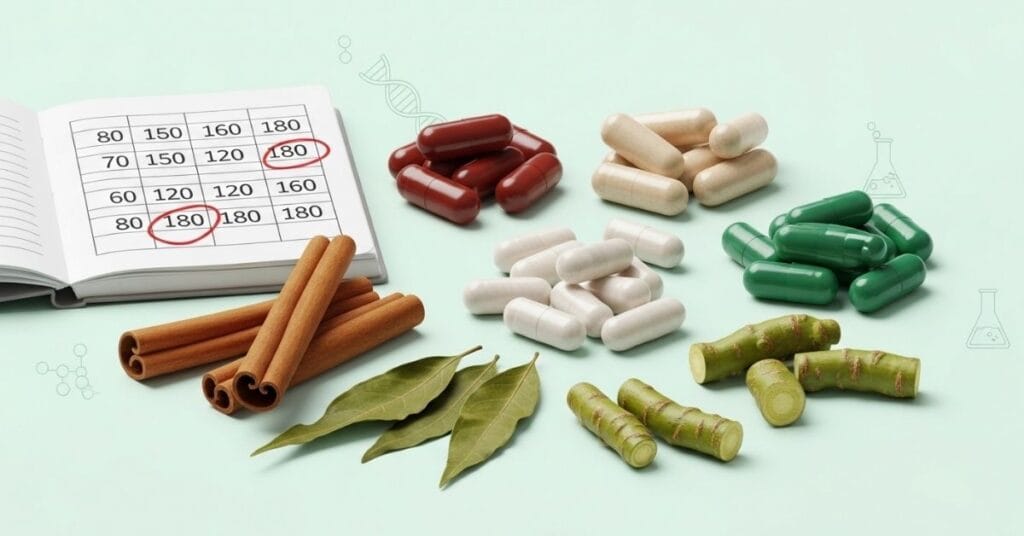
While lifestyle changes like diet, physical activity, and stress management are the most important ways to lower A1C and manage blood sugar, some individuals consider natural supplements as a complementary strategy. Supplements may support healthy glucose metabolism, but they should never replace core lifestyle measures or prescribed medications.
This guide will review the most studied supplements, their evidence, safety considerations, and how they fit into an overall blood sugar management plan.
1. Cinnamon
Cinnamon has been studied for its potential to improve insulin sensitivity and glucose metabolism.
Evidence:
- Multiple clinical trials suggest modest reductions in fasting blood glucose in people with type 2 diabetes or prediabetes.
- A 2019 meta-analysis indicated that daily cinnamon supplementation could lower fasting glucose by approximately 5–10 mg/dL in adults with type 2 diabetes.
How it fits into a plan:
- Considered a complementary option, particularly when paired with diet and exercise.
- Typically consumed as a powder in meals or in standardized supplement form.
2. Chromium
Chromium is an essential trace mineral that plays a role in insulin function.
Evidence:
- Studies show that chromium picolinate supplementation may slightly improve insulin sensitivity and glycemic control.
- Benefits are more apparent in people with chromium deficiency.
Safety:
- Standard doses range from 200–1000 mcg daily.
- High doses may cause gastrointestinal discomfort; always follow a healthcare provider’s guidance.
3. Gymnema Sylvestre
Gymnema is an herb traditionally used in Ayurvedic medicine for blood sugar support.
Evidence:
- Some studies suggest Gymnema may reduce sugar absorption in the intestines and improve insulin secretion.
- Research is limited but promising for supporting overall glycemic balance.
Usage considerations:
- Usually taken in standardized capsules or extracts.
- Should be monitored if used with glucose-lowering medications to prevent hypoglycemia.
4. Fiber Supplements
Soluble fiber can slow glucose absorption, reducing post-meal blood sugar spikes.
Evidence:
- Supplements like psyllium husk or glucomannan have been shown to lower A1C modestly in clinical studies.
- Ideal for individuals who struggle to get enough fiber from food alone.
Usage:
- Take with plenty of water.
- Start with low doses to avoid gastrointestinal discomfort.
5. Alpha-Lipoic Acid (ALA)
ALA is an antioxidant that may improve insulin sensitivity and reduce oxidative stress.
Evidence:
- Research supports ALA in reducing fasting glucose and improving nerve health in type 2 diabetes.
- Typically studied at doses of 300–600 mg per day.
Notes:
- May interact with medications for diabetes; professional supervision recommended.
6. Safety Considerations
Before adding supplements:
- Consult your healthcare provider, especially if taking medication.
- Supplements are not standardized like medications; quality can vary.
- Monitor blood sugar regularly to assess any impact.
Key principle: Supplements are supportive tools, not replacements for healthy lifestyle habits.
7. Conclusion: Supplements as Support, Not Replacement
Incorporating natural supplements can provide additional support for blood sugar management, but they are most effective when combined with:
- Balanced, low-glycemic diet
- Regular physical activity
- Stress management and quality sleep
Internal link to Pilar 3:
- For foundational strategies, see How to Lower A1C Naturally: 7 Evidence-Based Strategies (natural ways to manage blood sugar)
By educating yourself on both lifestyle strategies and evidence-based supplements, you can create a holistic approach to maintaining healthy blood sugar levels.
Reviewed by Laura Collins
Editor & Lead Content Researcher at Wellness Balance Pro
Laura Collins reviews wellness and metabolic health content using a research-based approach focused on clarity, accuracy, and real-world relevance.