
By Laura Collins | Updated September 2026 | 13 min read
Affiliate disclosure: This page contains affiliate links — we may earn a commission at no extra cost to you. Medical disclaimer: Not medical advice; consult an audiologist or doctor about tinnitus or hearing changes — these can have underlying causes a supplement cannot address.
Quick Verdict
- ✓ Whispeara is distributed through BuyGoods, a legitimate retailer, with a genuinely generous 90-day guarantee
- ✓ Individual ingredients (GABA, Alpha-GPC, L-Tyrosine) have real general research support — but direct tinnitus-specific evidence is thinner than the marketing suggests
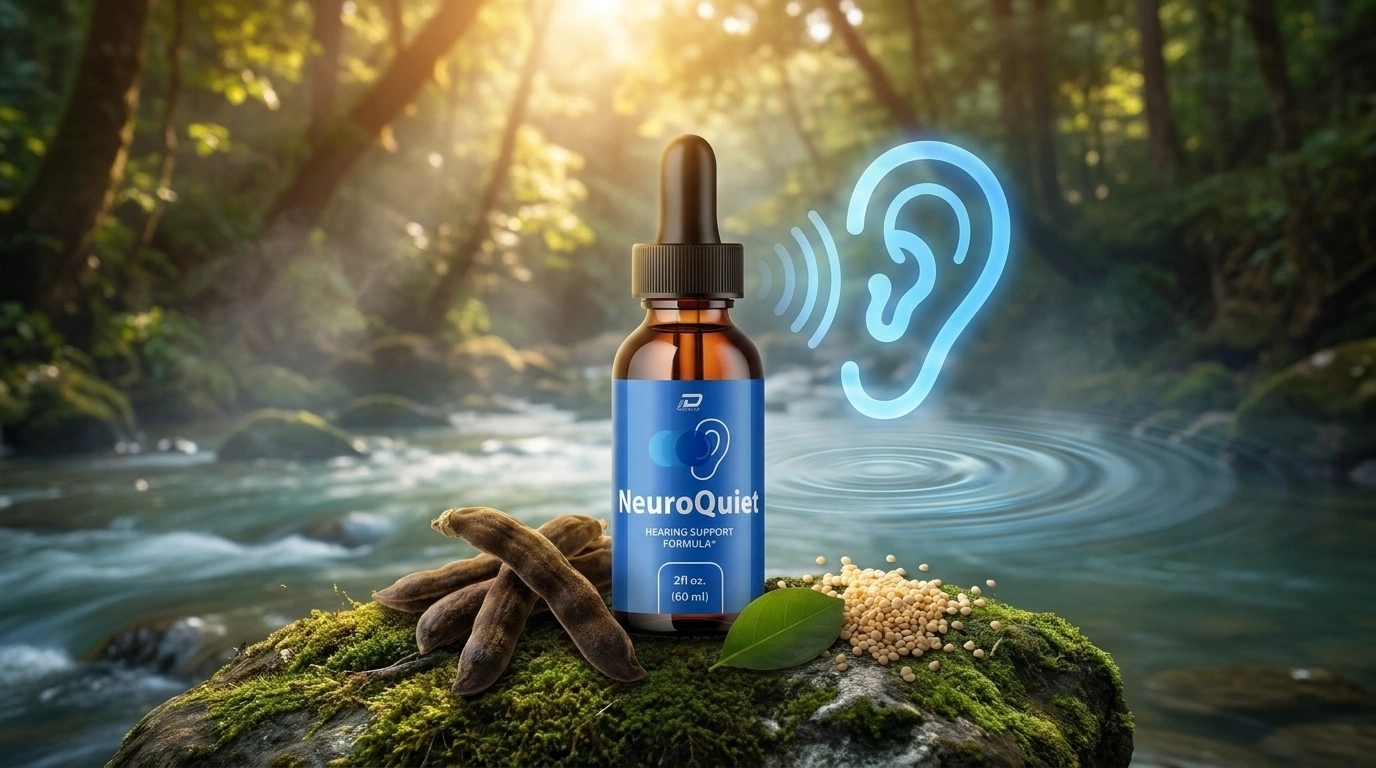
- ✓ Two significant findings: this exact formula is sold under at least two other brand names (NeuroQuiet, Tinnitrol), and the official reference list includes a spiritual self-help book with zero connection to hearing science
If you’re dealing with tinnitus — that persistent ringing, buzzing, or humming — you already know how frustrating it is, and how much you want something that actually helps. This review gives you the straight facts on Whispeara, including two findings that deserve your full attention before you buy.
At a Glance
| Product | Whispeara |
| Category | Hearing & cognitive support liquid drops |
| Ingredients | GABA, Alpha-GPC, L-Arginine, L-Tyrosine, Mucuna Pruriens (L-Dopa Bean) |
| Retailer | BuyGoods (confirmed) |
| Price | $49–$79 per bottle depending on package |
| Guarantee | 90 days |
Is Whispeara a Scam?
This requires more nuance than a simple yes or no.
What we found: Whispeara is distributed through BuyGoods, a legitimate, registered retailer we’ve seen handle several other real supplements. The company has a genuine 90-day money-back guarantee.
What concerns us significantly: We found the exact same ingredient list — Alpha-GPC, GABA, L-Arginine, L-Tyrosine, and L-Dopa Bean — described with nearly identical marketing language, sold under at least two other product names: NeuroQuiet and Tinnitrol. This is a known industry pattern sometimes called “white-labeling” — one manufacturer creates a formula and sells it under multiple brand names through different marketing funnels. Not automatically fraudulent, but it means the “unique breakthrough formula” language is misleading.
We also found something that needs direct flagging: Whispeara’s official reference list includes, as reference #7, “A Course in Miracles” by Helen Schucman — a spiritual and metaphysical self-help book with no connection to hearing health, tinnitus, or any scientific research whatsoever. Its presence on a “Scientific References” list is either a serious error or a sign the reference list wasn’t carefully assembled.
What Is Whispeara?
Whispeara is a liquid drop supplement marketed for tinnitus relief, hearing clarity, and cognitive support, taken twice daily. Manufactured in the USA, GMP-certified, FDA-registered facility, non-GMO, gluten-free.
What it is NOT:
- A treatment for hearing loss caused by nerve damage or aging (presbycusis)
- A substitute for an audiologist evaluation — tinnitus can signal underlying conditions requiring diagnosis
- A fast fix — official materials suggest 3 to 8 weeks for noticeable effects
Ingredients — What’s Inside and What the Research Actually Shows
Real research connects GABA levels inside the brain to tinnitus severity via MR spectroscopy studies. The critical gap: that research doesn’t test whether oral GABA meaningfully raises brain GABA levels — the blood-brain barrier crossing question remains scientifically uncertain.
Reasonable evidence for general cognitive support in aging populations. Limited direct evidence connects it to tinnitus or hearing outcomes specifically — its role here targets mental clarity, not auditory function.
Supports nitric oxide production and circulation — a plausible mechanism for inner-ear blood flow, but we found no direct clinical trials testing L-Arginine specifically for tinnitus or hearing outcomes.
A dopamine/norepinephrine precursor with reasonable stress-resilience research. Its connection to tinnitus is indirect — likely helping with accompanying stress rather than the auditory mechanism itself.
A natural dopamine precursor. While dopamine plays roles in various neurological processes, direct clinical evidence connecting this specifically to tinnitus reduction isn’t something we could independently verify.
🚩 The Reference List Problem — A Closer Look
We reviewed all 14 references published alongside Whispeara’s marketing materials.
Genuinely relevant tinnitus/hearing research: Multiple references cover legitimate neuroscience — cortical mapping of tinnitus, GABA/glutamate levels in the auditory cortex, general tinnitus epidemiology. Real, published studies explaining what tinnitus is — but none test Whispeara’s specific ingredients.
Irrelevant or concerning inclusions: A reference to “A Course in Miracles” — a spiritual self-help text with zero connection to hearing science. A reference on medicinal plants for gastrointestinal disorders — unrelated to hearing. General B-vitamin brain research — relevant only if B vitamins are confirmed in the formula, which isn’t clearly established.
Who Might Whispeara Help?
- Adults whose tinnitus is stress-related or mild — L-Tyrosine and GABA components may offer modest stress-support benefit, even if the direct tinnitus mechanism is unproven
- People looking for a low-risk option to try alongside — not instead of — professional care for mild, intermittent ear ringing
- People who understand this is exploratory, not clinically proven for tinnitus specifically
Who Should See a Doctor First
No ingredient in this formula addresses hearing loss caused by inner ear hair cell damage — the most common cause of permanent hearing loss.
Side Effects & Safety
Based on the ingredient profile, generally well-tolerated by most healthy adults. Anyone on blood pressure or dopamine-affecting medication, pregnant or nursing women, and anyone under 18 should be careful or avoid use.
Pricing & Where to Buy
2 Bottles
60 Day Supply
$79
per bottle
Total: $158 + shipping
90-Day Guarantee
3 Bottles
90 Day Supply
$59
per bottle
Total: $177
✓ Free Shipping · 3 Bonuses
90-Day Guarantee
6 Bottles
180 Day Supply
$49
per bottle
Total: $294
✓ Free Shipping · 3 Bonuses
90-Day Guarantee
Check Current Pricing — Official Website →
The 90-day guarantee is genuinely generous and gives you real time to evaluate whether this helps your specific situation.
Pros & Cons
Strengths
- Individual ingredients have real general research for cognitive/stress function
- 90-day money-back guarantee — generous evaluation window
- GMP-certified, FDA-registered US manufacturing
- Distributed through BuyGoods — established retailer
Drawbacks
- Exact formula shared with NeuroQuiet and Tinnitrol — not a unique product
- Official reference list includes a completely irrelevant, non-scientific source
- No ingredient has confirmed clinical trial evidence for tinnitus specifically
- Oral GABA’s brain-level impact remains scientifically uncertain
Final Verdict
Whispeara presents a real challenge for an honest review: the individual ingredients have genuine general research for cognitive function and stress support, but the specific tinnitus relief claims rest on a thinner foundation than the marketing suggests — and the reference list itself, including a completely unrelated spiritual text, doesn’t inspire confidence in how carefully it was assembled.
The discovery that this same formula is sold under multiple brand names is also worth knowing — not necessarily fraudulent, but you’re not getting a uniquely engineered product, whatever the sales page suggests. For mild, stress-related tinnitus, some ingredients may offer modest supportive benefit. For anything more serious — sudden changes, one-sided symptoms — see an audiologist first.
Our rating: 2.5 / 5 — Approach with realistic expectations and healthy skepticism about the specific tinnitus claims
Considering Whispeara?
A genuine 90-day guarantee — but review the reference list and shared-formula findings above first.
Visit the Official Website →Frequently Asked Questions
Is Whispeara the same as NeuroQuiet or Tinnitrol? We found the same core ingredient list and nearly identical marketing language across these products — a common industry pattern where one manufacturer sells the same formula under multiple brand names.
Does Whispeara actually cure tinnitus? No supplement, including Whispeara, has confirmed clinical evidence for curing tinnitus. Evidence-based approaches like sound therapy, CBT, and hearing aids currently have more reliable support.
Why does Whispeara’s reference list include a spiritual book? We found “A Course in Miracles” on the official reference list and have no explanation for why it’s there. It has no scientific connection to hearing health — a reason for caution about how the supporting materials were assembled.
Does oral GABA actually reach the brain? This remains scientifically uncertain — a genuine, documented area of debate, relevant because the tinnitus research connecting GABA to symptom severity measures GABA levels inside the brain, not orally supplemented levels.
Should I see a doctor before trying Whispeara? Yes, particularly if your tinnitus is new, severe, one-sided, or accompanied by other symptoms. A supplement should never delay proper medical evaluation.
Read More on Wellness Balance Pro
→ ZenCortex Review: Hearing & Tinnitus Supplement → Audifort Review: Hearing Health Support → NeuroQuiet Review: The Related Formula
References
- Schlee W, et al. Mapping cortical hubs in tinnitus. BMC Biology, 2009.
- Sedley W, et al. Intracranial Mapping of a Cortical Tinnitus System. Current Biology, 2015.
- GABA and glutamate levels in the auditory cortex of tinnitus patients, measured via magnetic resonance spectroscopy. Scientific Reports, 2022.
Note: Whispeara’s official 14-reference list includes several general tinnitus neuroscience studies alongside at least one non-scientific source unrelated to hearing health. We recommend reviewing sourcing claims critically.

Laura Collins
Editorial direction and review for Wellness Balance Pro. We audited all 14 official references, researched every ingredient independently, and identified the shared-formula pattern across multiple brand names.
⚠️ Medical Disclaimer: This content is for informational purposes only and is not intended as medical advice. Always consult an audiologist or doctor about tinnitus or hearing changes.
Affiliate Disclosure: This page contains affiliate links. If you purchase through our link, we may earn a commission at no additional cost to you. This does not influence our assessment.