
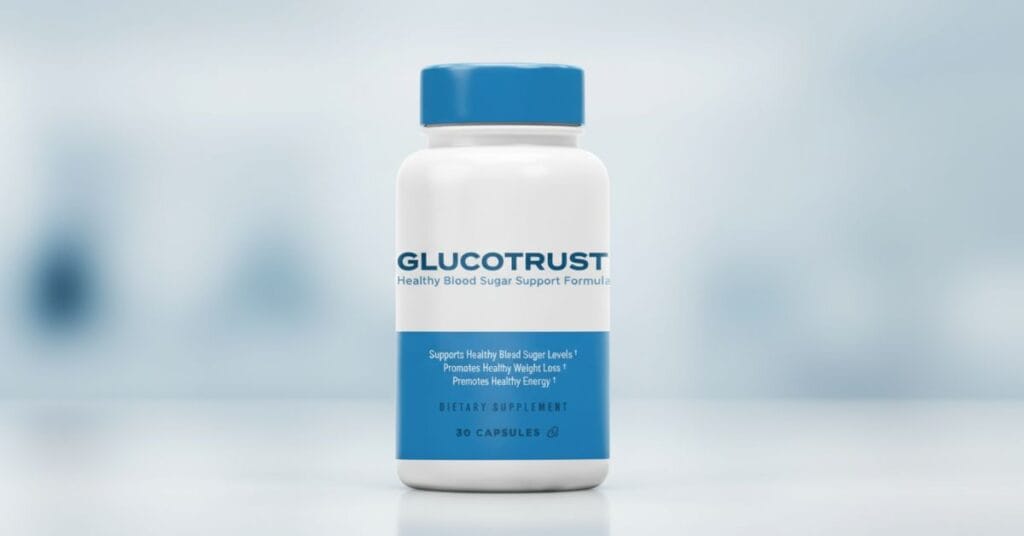
GlucoTrust is a natural dietary supplement marketed to support healthy blood sugar levels, insulin sensitivity, and overall metabolic balance. It is positioned for adults seeking a non-prescription approach to managing glycemic fluctuations commonly associated with diet, metabolic slowdown, and age-related changes. While individual ingredients in GlucoTrust have been studied in metabolic health contexts, the complete formula itself has not been clinically tested. Overall, GlucoTrust may be best viewed as a complementary option for informed users who understand both its potential role and its limitations.
👉 If this aligns with what you’re looking for, you can review the official product details here.
Many readers prefer checking the source directly before making a decision.
What Is GlucoTrust?
GlucoTrust is marketed as a dietary supplement designed to support blood glucose stability and metabolic health rather than treat or cure disease. It is commonly framed as part of a broader wellness approach, intended to complement diet and lifestyle habits rather than replace medical care.
According to its positioning, GlucoTrust aims to support:
- Stable blood sugar levels throughout the day
- Improved insulin sensitivity
- Metabolic efficiency
- Consistent daily energy
The product is targeted primarily at adults who experience diet-related glucose fluctuations or who are concerned about metabolic changes that can occur with aging. Like most supplements in this category, GlucoTrust is not intended for use as a standalone solution or as an alternative to prescription therapy when clinically indicated.
What Problem Does GlucoTrust Claim to Address?
Understanding Blood Sugar Fluctuations
Blood glucose levels naturally rise after eating, particularly after carbohydrate-rich meals. In metabolically healthy individuals, insulin helps regulate this process efficiently. However, factors such as aging, sedentary lifestyle, excess caloric intake, and genetic predisposition can reduce insulin sensitivity over time.
When glucose regulation becomes less efficient, individuals may notice:
- Post-meal blood sugar spikes
- Energy crashes or fatigue
- Increased hunger or cravings
- Difficulty maintaining weight or metabolic balance
Related Metabolic Terminology
GlucoTrust is implicitly marketed toward people concerned about:
- Glycemic variability
- Insulin resistance (early or subclinical)
- Metabolic slowdown
- Prediabetic patterns (not diagnosed diabetes)
These terms describe a spectrum of metabolic function, not a single condition. This distinction is important, as supplements are typically designed to support general metabolic processes rather than address diagnosed disease.
Scientific & Formula Analysis
Ingredient-Level Evidence vs Product-Level Evidence
One of the most critical points in evaluating GlucoTrust is understanding the difference between:
- Ingredient-level research, where individual compounds are studied in isolation
- Finished-product evidence, where the full formulation is tested as sold
There is no publicly available clinical research on the complete GlucoTrust formula. As a result, any assessment must rely on indirect evidence derived from studies on individual ingredients rather than on the product as a whole.
Common Ingredient Categories in Glucose Support Supplements
While formulations may evolve, GlucoTrust follows a pattern common to many blood sugar supplements by incorporating ingredients from several well-studied categories.
1. Botanical Extracts and Plant Compounds
Plant-derived compounds are often included due to their potential role in:
- Modulating carbohydrate metabolism
- Supporting insulin signaling
- Reducing oxidative stress linked to metabolic dysfunction
Human studies show variable results, often influenced by extract quality, standardization, and dosage.
2. Minerals and Nutrient Cofactors
Certain micronutrients play supportive roles in glucose metabolism and insulin receptor function. However, research suggests benefits are most pronounced when correcting deficiencies rather than supplementing above adequate intake.
3. Antioxidant-Related Ingredients
Oxidative stress has been associated with insulin resistance, leading some formulations to include antioxidant compounds. Clinical outcomes in supplementation studies remain mixed and context-dependent.
Dosage and Formulation Context
Many studies demonstrating metabolic benefits use:
- Isolated ingredients
- Specific standardized doses
- Controlled dietary conditions
Commercial supplements typically blend multiple ingredients at lower doses. Without transparent alignment to studied ranges, it becomes difficult to predict the magnitude of real-world effects.
Mechanism Plausibility
The proposed mechanisms behind GlucoTrust’s ingredients are biologically plausible, meaning they align with known metabolic pathways. However, plausibility alone does not guarantee meaningful clinical outcomes, particularly in complex systems like glucose regulation.
What the Formula Lacks (High-Trust Analysis)
1. Lack of Full-Formula Clinical Trials
The absence of human trials on the complete GlucoTrust formulation limits certainty regarding effectiveness, consistency, and long-term outcomes.
2. Potentially Subclinical Dosages
Some ingredients show benefits only at higher or highly standardized doses. If present at lower levels, their impact may be modest or inconsistent.
3. Limited Transparency
Publicly available information does not always include:
- Detailed extract standardization
- Independent third-party testing results
- Long-term stability or bioavailability data
This is common in the supplement industry but remains a limitation for evidence-focused consumers.
4. No Personalization
Blood sugar response varies widely due to genetics, gut microbiome differences, and lifestyle factors. A standardized supplement cannot account for this individual variability.
Marketing Claims vs Reality
Understanding Structure/Function Claims
Statements such as:
- “Supports healthy blood sugar levels”
- “Promotes metabolic balance”
Are classified as structure/function claims. These claims are legally permitted but should not be interpreted as evidence of disease treatment or prevention.
FDA Approval Clarification
GlucoTrust is not FDA approved.
- The FDA does not approve dietary supplements prior to sale
- Manufacturers are responsible for product safety
- Claims must avoid diagnosing, treating, or curing disease
This regulatory status is standard and does not inherently indicate that a product is illegitimate.
Separating Mechanism from Expectation
While marketing materials may emphasize potential mechanisms, consumers should distinguish between theoretical support and proven clinical outcomes. Expectations should remain conservative.
👉 For those who feel comfortable with the evidence and limitations discussed above, the official website provides full ingredient transparency and availability details.
Reviewing the details directly can help you make a fully informed decision.
How It Compares to Alternatives
Compared to Other Natural Supplements
GlucoTrust shares many similarities with other blood sugar supplements:
- Overlapping ingredient categories
- Reliance on indirect evidence
- Generally modest effect expectations
Differences typically relate to formulation choices and transparency rather than dramatic efficacy differences.
Compared to Prescription Options (Mechanism Only)
Prescription glucose-lowering medications:
- Act on specific biochemical targets
- Produce predictable and measurable effects
- Require medical supervision
Supplements like GlucoTrust act indirectly and should not be expected to replicate pharmaceutical potency.
Compared to Lifestyle Interventions
Lifestyle changes remain the most consistently supported strategy for improving metabolic health.
Structured Comparison Table
| Aspect | GlucoTrust | Prescription Option | Lifestyle Intervention |
|---|---|---|---|
| Mechanism | Indirect metabolic support | Direct biochemical action | System-wide metabolic improvement |
| Onset Time | Gradual, variable | Predictable | Gradual but durable |
| Potency | Mild to moderate | High | High (long-term) |
| Supervision Needed | No | Yes | Optional |
Side Effects & Safety Considerations
General Safety Profile
Ingredients commonly used in blood sugar supplements are generally considered safe for healthy adults when used as directed. Potential concerns may include:
- Mild digestive discomfort
- Interactions with glucose-lowering medications
- Overlapping nutrient intake from multiple supplements
Who Should Avoid Use
- Individuals taking insulin or prescription glucose medications
- Those with diagnosed metabolic disease without professional guidance
- Pregnant or breastfeeding individuals
Regulatory Context
Dietary supplements are regulated differently than drugs:
- No pre-market approval
- Post-market safety oversight
- Manufacturer responsibility for compliance
When Supplements Are Not Enough
Red Flag Symptoms
Symptoms such as:
- Persistent excessive thirst
- Frequent urination
- Unexplained weight loss
- Ongoing fatigue
May indicate underlying conditions requiring medical evaluation.
Supplements Are Not Substitutes
Blood sugar instability can reflect systemic health issues. Supplements should never delay diagnosis or replace evidence-based medical care.
Realistic Timeline for Results
Biological Expectations
Any potential benefit from GlucoTrust would likely occur gradually, reflecting subtle metabolic support rather than immediate effects.
Typical Timeframes
User reports for similar supplements often suggest:
- Subtle changes within 2–4 weeks
- More noticeable patterns after 8–12 weeks
Individual responses vary significantly.
Pros and Cons
Pros
- Non-prescription option
- Familiar metabolic support ingredients
- May complement dietary and lifestyle efforts
- Accessible and easy to use
Cons
- No full-formula clinical trials
- Effects likely modest
- Limited transparency compared to pharmaceuticals
- Not suitable for all individuals
Pricing & Availability
GlucoTrust is typically sold online rather than through brick-and-mortar pharmacies. Pricing may vary based on package size or purchase format.
👉 Readers may verify current pricing on the official website.
This can help confirm current availability and package options before deciding.
Final Verdict
GlucoTrust appears to be a conventional blood sugar support supplement built around ingredients with plausible—but limited—evidence for glycemic and metabolic support. It is unlikely to deliver dramatic results but may serve as a complementary option for adults seeking a non-prescription approach and who understand its limitations.
For readers seeking a structured, non-medicated strategy and who prioritize informed decision-making, this may represent a reasonable option.
FAQ (Featured Snippet Optimized)
Is GlucoTrust legit or a scam?
GlucoTrust appears to be a legitimate dietary supplement, though results depend on individual response and expectations.
Is GlucoTrust FDA approved?
No. Dietary supplements are not FDA approved but must comply with FDA regulations.
How long does it take to work?
If benefits occur, they are typically gradual and may take several weeks.
Are there side effects?
Side effects are generally mild but may include digestive discomfort or medication interactions.
Is there clinical research on the full formula?
No publicly available clinical trials exist on the complete GlucoTrust formulation.
Can GlucoTrust be purchased on Amazon?
Availability varies, but many supplements are sold primarily through official websites.
Related Articles
- Best natural supplements for blood sugar support
- Causes of blood sugar fluctuations
- Supplements vs prescription glucose treatments
- Lifestyle strategies for metabolic balance
- How insulin sensitivity works in the body
- Why Blood Sugar Spikes at Night (And What Nighttime Support Really Means)
Reviewed by Laura Collins
Editor & Lead Content Researcher at Wellness Balance Pro
Laura Collins reviews wellness and metabolic health content using a research-based approach focused on clarity, accuracy, and real-world relevance.