

By Laura Collins | Updated July 2026 | 10 min read
This content is for informational purposes only and is not medical advice. Always consult your doctor about dietary changes, especially if you take medication for diabetes.
Giving up sugar is one of the hardest parts of managing blood sugar — not because people lack willpower, but because sweetness is wired into how we experience pleasure and comfort in food.
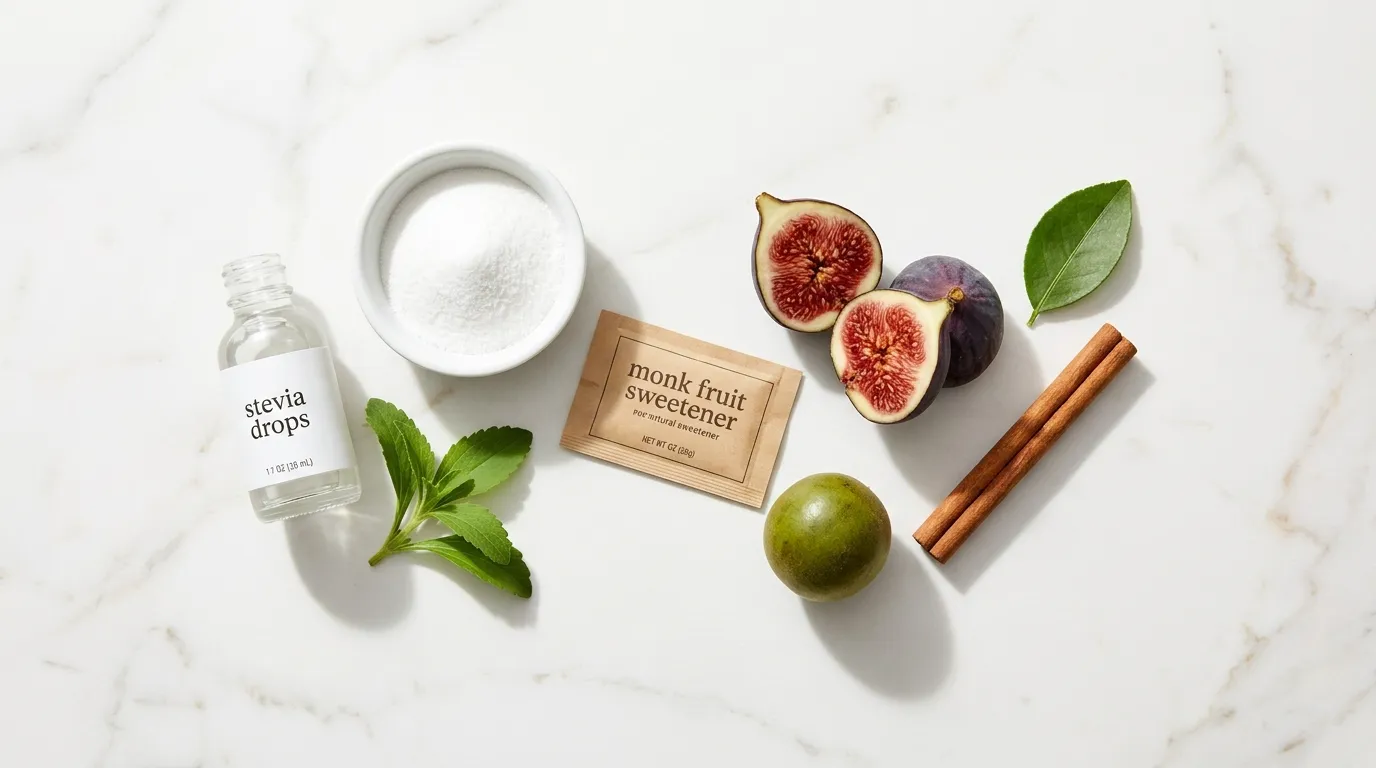
The good news: there are genuinely good alternatives that let you enjoy sweetness without the blood sugar spike. The confusing part: the sweetener market in 2026 is full of misleading labels, hidden fillers, and products that sound natural but aren’t.
This guide cuts through the confusion. We cover the best sugar alternatives for people managing blood sugar — what the research actually shows, what the honest limitations are, and the label-reading tricks that protect you from the most common traps.
What Makes a Sugar Alternative Good for Blood Sugar?
A good sugar alternative for diabetics does two things:
1. Doesn’t raise blood sugar — glycemic index of zero or near-zero, meaning no meaningful glucose response after consuming it.
2. Doesn’t cause other problems — no significant digestive side effects, no cardiovascular concerns, no negative gut microbiome impact at normal usage levels.
The American Diabetes Association and FDA both approve the use of sugar substitutes within daily recommended limits — stating they don’t raise blood sugar the same way as table sugar.
But not all sweeteners meet both criteria equally. Here’s the honest ranking for 2026.
The Best Sugar Alternatives for Diabetics
1. Allulose — The Best Overall Choice in 2026
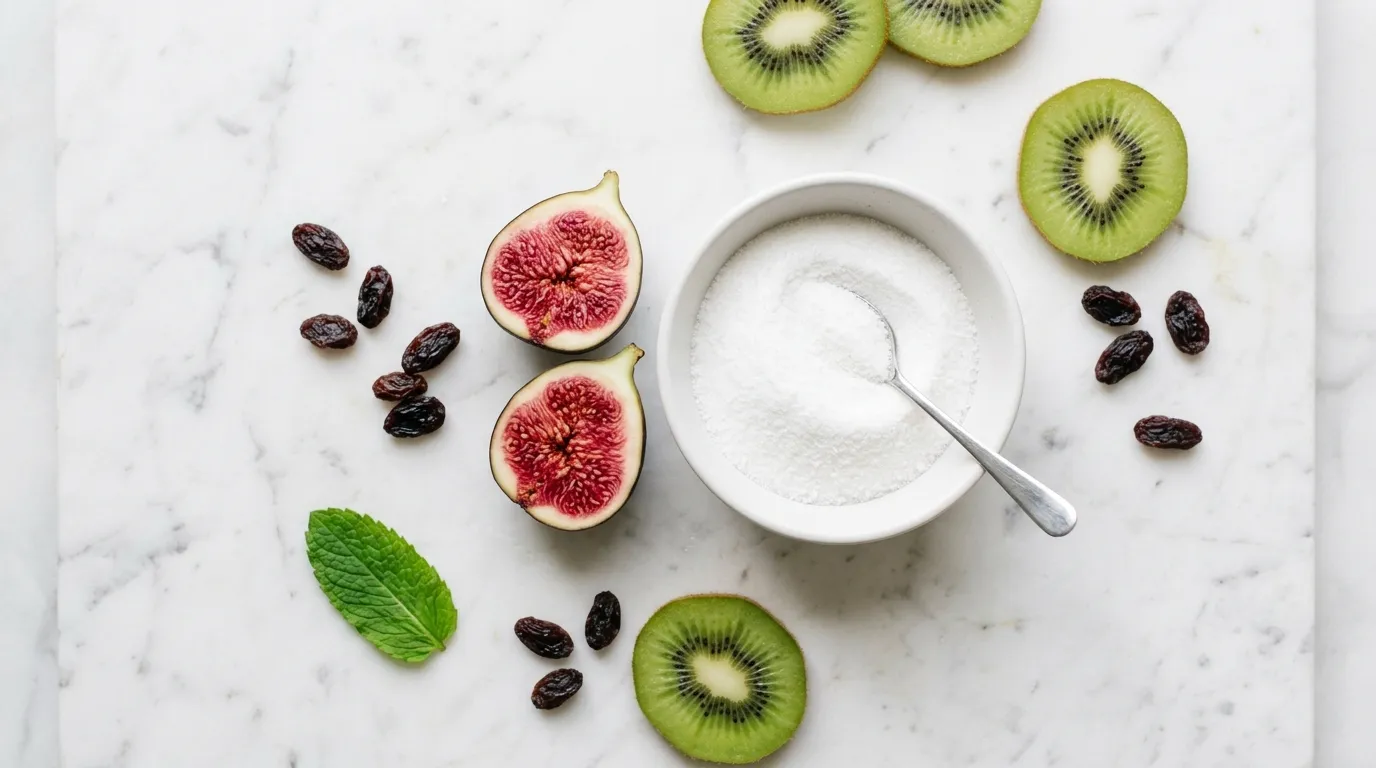
Glycemic Index: 1 (essentially zero) Calories: 0.4 per gram (vs 4 for sugar) Sweetness: 70% as sweet as sugar
Allulose is a naturally occurring rare sugar found in small quantities in figs, raisins, and kiwis. It’s been called the closest thing to a “holy grail” sweetener — and for people managing blood sugar, the evidence is genuinely compelling.
What the research shows:
Human studies have found that meals containing allulose significantly reduce blood sugar and insulin responses — particularly in people with prediabetes or diabetes. Unlike most sweeteners that simply don’t raise blood sugar, allulose may actively lower post-meal blood sugar response. The mechanism involves slowing carbohydrate digestion and enhancing GLP-1 release — the same pathway targeted by some diabetes medications.
It tastes like sugar — no aftertaste. It bakes like sugar — it browns, caramelizes, and stays soft in baked goods. It doesn’t cause the digestive distress associated with sugar alcohols. And the FDA has exempted it from “Added Sugars” labeling, recognizing its fundamentally different metabolic profile.
The honest limitation: Allulose is more expensive than other sweeteners and less widely available in mainstream grocery stores. Look for it online or in specialty health food stores.
Best for: Baking, cooking, coffee, anywhere you use sugar.
2. Monk Fruit Extract — Zero Glycemic, Excellent Taste
Glycemic Index: 0 Calories: 0 Sweetness: 150 to 200x sweeter than sugar
Monk fruit extract comes from a small melon used in traditional Chinese medicine for centuries. The sweetness comes from mogrosides — compounds that provide intense sweetness with zero calories and zero blood sugar impact.
What the research shows:
Monk fruit has a glycemic index of zero — it won’t raise blood sugar. It also has antioxidant properties from the mogrosides that provide additional metabolic benefit. It’s generally well-tolerated with very limited reported side effects.
The label trap you need to know:
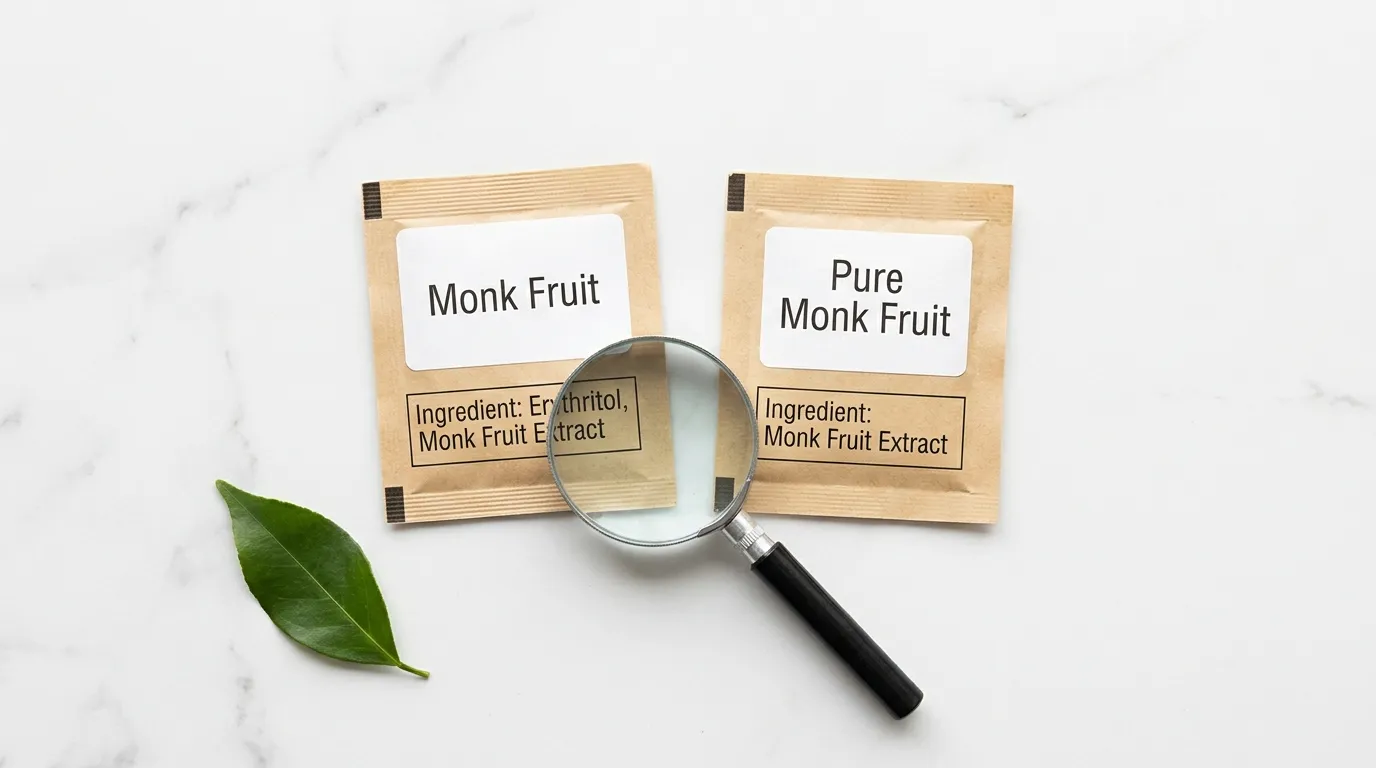
Most “monk fruit sweetener” products in American stores are not primarily monk fruit. They’re 95 to 99% erythritol (a sugar alcohol) with a small amount of monk fruit extract added for labeling purposes. The erythritol provides the bulk and texture while the monk fruit provides the name.
This matters because of the erythritol cardiovascular concern covered below. If you want pure monk fruit, look for products where monk fruit extract is the first ingredient — or buy liquid monk fruit drops, which are harder to dilute with fillers.
Best for: Coffee, tea, cold drinks, light baking.
3. Stevia — The Most Researched Natural Sweetener
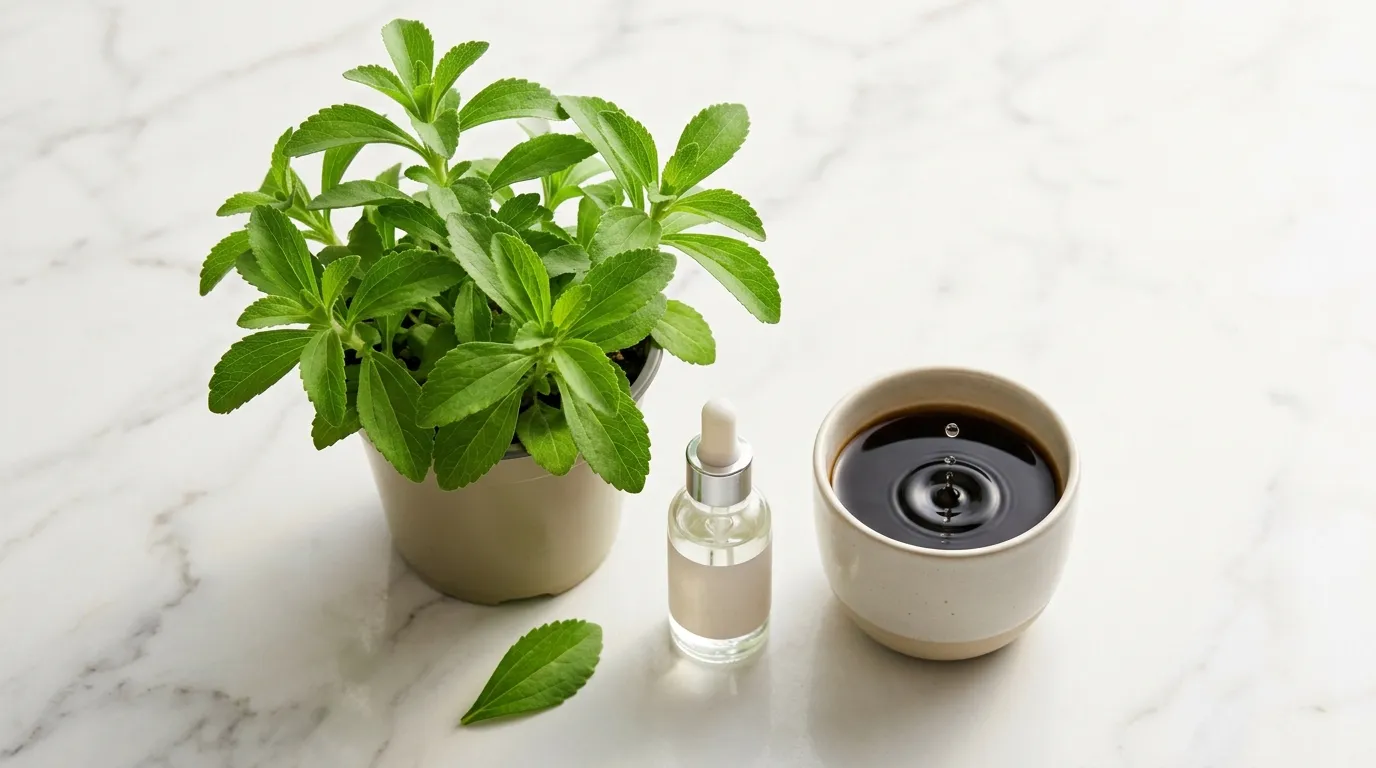
Glycemic Index: 0 Calories: 0 Sweetness: 200 to 300x sweeter than sugar
Stevia comes from the leaves of the Stevia rebaudiana plant. It’s been used as a sweetener in South America for centuries and has more published research behind it than any other natural sweetener.
What the research shows:
Multiple studies confirm stevia has no blood sugar impact. Some research suggests it may have mild antidiabetic properties — potentially improving insulin sensitivity and having a modest blood pressure benefit. The FDA has granted GRAS (Generally Recognized as Safe) status to high-purity stevia extracts.
The two types of stevia — and why it matters:
Reb A (Rebaudioside A): The most common form. Cheaper to produce. Many people notice a bitter or licorice-like aftertaste — this is the stevia that tastes “off” to many people.
Reb M (Rebaudioside M): A different steviol glycoside with a much cleaner, sugar-like taste and minimal aftertaste. More expensive to produce. If you’ve tried stevia and disliked the taste, try a Reb M version — it’s a genuinely different experience.
Best for: Coffee, tea, cold beverages. Less ideal for baking because it doesn’t provide bulk or caramelize.
4. Erythritol — Use With Caution in 2026
Glycemic Index: 1 Calories: 0.2 per gram Sweetness: 70% as sweet as sugar
Erythritol is a sugar alcohol that occurs naturally in small amounts in some fruits. It’s been widely used in “keto” and “sugar-free” products because it tastes reasonably close to sugar and causes less digestive distress than other sugar alcohols like xylitol or sorbitol.
The 2023/2025 cardiovascular concern:
A 2023 study published in Nature Medicine found that higher blood levels of erythritol were associated with increased risk of cardiovascular events — heart attack and stroke. A 2025 follow-up study partially replicated these findings.
Important context: These studies measured blood erythritol levels — they didn’t prove that consuming erythritol supplements caused cardiovascular events. People with existing metabolic dysfunction naturally produce more erythritol endogenously, which complicates causation. The research is ongoing and not yet conclusive.
Our honest recommendation: Given the uncertainty, people with existing cardiovascular risk factors — which includes many people managing diabetes — may want to limit erythritol-heavy products until more research clarifies the picture. Allulose and monk fruit are better-evidenced alternatives for daily use.
Best for: Occasional use in baking where the bulk and texture are needed. Not the best choice for daily heavy use given current cardiovascular questions.
5. Xylitol — Good for Oral Health, Watch Portions
Glycemic Index: 7 (Low) Calories: 2.4 per gram Sweetness: Similar to sugar
Xylitol is a sugar alcohol found naturally in birch trees and some fruits. It has a low glycemic index and a dental health benefit — it inhibits the bacteria that cause tooth decay, which is why it’s used in many sugar-free gums and mints.
The honest limitations:
Xylitol causes significant digestive distress — gas, bloating, and diarrhea — in many people when consumed in amounts above 20 to 30 grams. It’s also highly toxic to dogs — keep it away from pets.
For blood sugar management, xylitol is acceptable in small amounts (a piece of gum, a mint) but not ideal as a primary cooking sweetener due to the digestive concerns at higher doses.
Best for: Gum and mints for oral health. Not ideal for cooking or baking in significant quantities.
What to Avoid — Common Sweetener Mistakes
“Sugar-Free” Labels Hide Blood Sugar Spikes
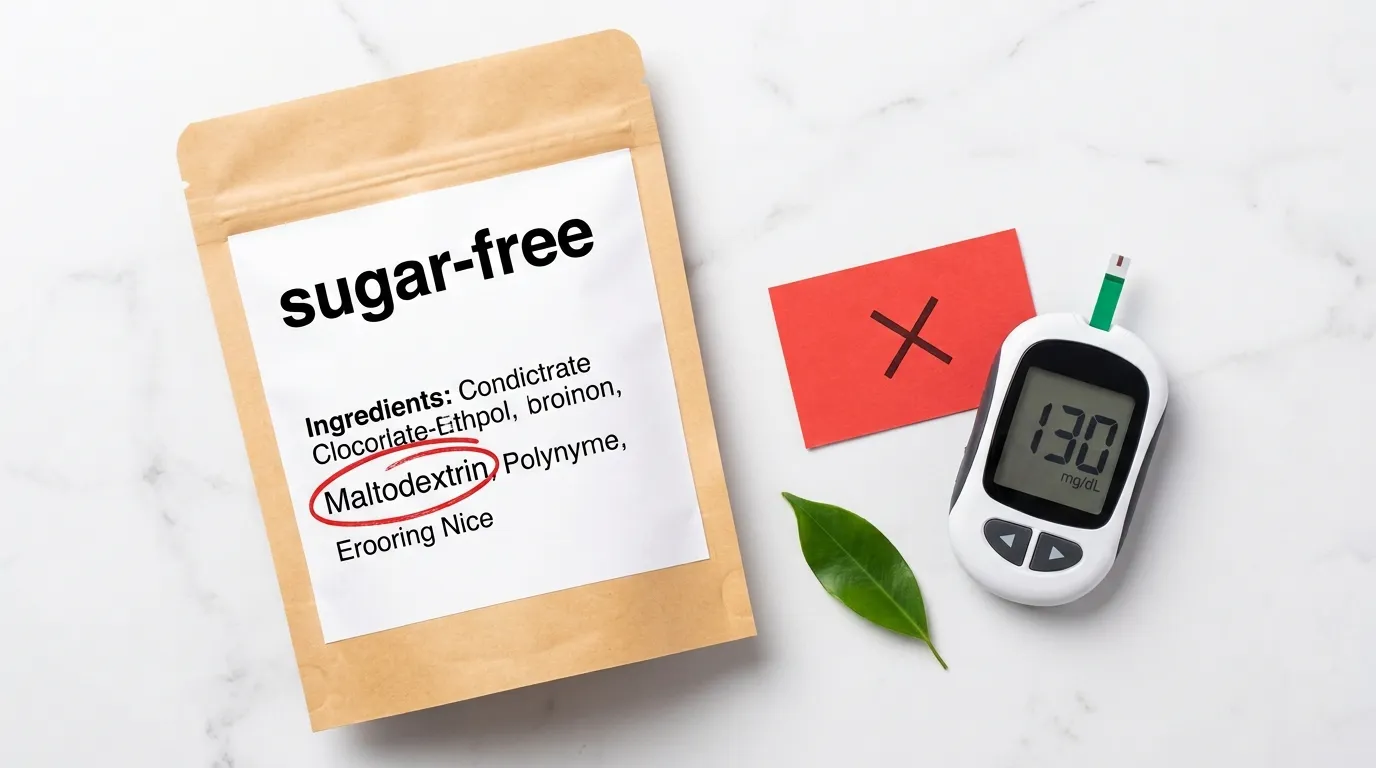
This is the most important warning in this article.
Many “sugar-free” products use maltodextrin or dextrose as a filler — these are forms of processed starch with glycemic indexes of 85 to 110, higher than table sugar. A product can be legally labeled “sugar-free” while containing an ingredient that spikes blood sugar faster than sugar itself.
How to catch this on a label:
Look at the ingredient list — not just the front of the package. If you see maltodextrin, dextrose, or modified food starch early in the ingredient list of a “sugar-free” product, that product will likely spike your blood sugar despite the label.
“Natural” Doesn’t Mean Blood Sugar Safe
Honey, maple syrup, coconut sugar, and agave syrup are all marketed as natural, less-processed alternatives to white sugar. They do contain trace minerals and some have slightly lower glycemic indexes than white sugar.
But from a blood sugar perspective, they’re still sugar:
| Sweetener | Glycemic Index |
|---|---|
| White sugar | 65 |
| Honey | 58 |
| Maple syrup | 54 |
| Coconut sugar | 54 |
| Agave syrup | 15 to 30 |
Honey and maple syrup at GI 54 to 58 are meaningfully lower than white sugar but still produce a significant blood sugar response. They’re better choices than white sugar — but they’re not blood-sugar-neutral alternatives. Use sparingly as flavoring, not as a free substitute.
Agave syrup has the lowest GI of this group but is extremely high in fructose — which doesn’t spike blood glucose directly but is processed by the liver in ways that can contribute to insulin resistance with regular heavy consumption.
Artificial Sweeteners — The Honest Picture
Aspartame, sucralose, saccharin, and acesulfame-K are all FDA-approved, have zero glycemic index, and don’t directly raise blood sugar.
The concern: some research links regular artificial sweetener consumption to altered gut microbiome, changes in insulin response to sweetness, and potential long-term metabolic effects. The evidence isn’t conclusive — but the trend in research has become more cautious over time.
The practical recommendation: artificial sweeteners are safe in moderation as a transition tool when reducing sugar. For daily heavy use, natural zero-glycemic options like monk fruit and allulose are better-researched choices.
How to Read a Sweetener Label — The 3-Step Check
Step 1 — Check the ingredient list first, not the front The front of the package is marketing. The ingredient list tells you what’s actually in it.
Step 2 — Look for fillers Maltodextrin, dextrose, and modified food starch are blood-sugar-spiking fillers. If they appear in the first three ingredients of a “sugar-free” product, put it back.
Step 3 — For monk fruit products specifically If erythritol is the first ingredient and monk fruit extract appears near the end — you’re buying erythritol with monk fruit branding, not genuine monk fruit sweetener.
Practical Guide — What to Use Where
| Situation | Best Choice |
|---|---|
| Coffee and tea | Monk fruit drops or stevia Reb M |
| Baking cakes and cookies | Allulose |
| Ice cream and frozen desserts | Allulose |
| Cold drinks and lemonade | Stevia Reb M or monk fruit |
| Yogurt and oatmeal | Stevia drops or allulose |
| Occasional dessert with bulk needed | Erythritol blend (use cautiously) |
| Gum and mints | Xylitol |
The Best Natural Option of All
One thing every source agrees on: whole fruit beats every processed sweetener.
Fresh berries to sweeten yogurt. A ripe banana mashed into oatmeal. Medjool dates blended into a smoothie. These options provide sweetness alongside fiber, vitamins, and minerals — with a blood sugar response buffered by the fiber content.
No processed sweetener — however sophisticated — replicates the complete nutritional package of whole fruit. The best strategy is to use sweetener alternatives as a bridge while training your palate to appreciate less sweetness overall — and to increasingly reach for whole fruit when the craving for something sweet hits.
→ Best Fruits for Diabetes: Which Ones Help → 7 Superfoods Diabetics Should Eat Every Week
Frequently Asked Questions
What is the best sugar substitute for diabetics? Allulose is the best overall choice for 2026 — it has essentially zero blood sugar impact, may actually reduce post-meal glucose response, tastes like sugar, and bakes like sugar. Monk fruit extract and stevia (particularly Reb M) are excellent zero-GI alternatives. All three are preferable to erythritol given current cardiovascular research uncertainty.
Is stevia safe for diabetics? Yes — stevia has a glycemic index of zero and FDA GRAS status. Multiple studies confirm no blood sugar impact. Some research suggests mild additional benefits for insulin sensitivity. The main practical consideration is taste — Reb M stevia has a much cleaner flavor than the more common Reb A version.
Is monk fruit sweetener safe for diabetics? Yes — pure monk fruit extract has a glycemic index of zero and no known blood sugar impact. The concern is that most “monk fruit sweetener” products are primarily erythritol. Read the ingredient list to verify you’re getting genuine monk fruit.
Is erythritol safe for diabetics? It has zero glycemic index and doesn’t raise blood sugar. The concern is a 2023 study linking higher erythritol blood levels to cardiovascular risk — with a 2025 partial replication. The evidence isn’t conclusive, but people with existing cardiovascular risk factors may want to limit heavy erythritol use until more research clarifies the picture.
Is honey better than sugar for diabetics? Marginally — honey has a slightly lower glycemic index than white sugar (58 vs 65). But it still produces a meaningful blood sugar response. It’s a better choice than white sugar but not a blood-sugar-neutral alternative. Use sparingly as a flavoring rather than as a free substitute.
What about coconut sugar? Coconut sugar has a GI of approximately 54 — lower than white sugar but still a significant blood sugar raiser. It contains some minerals and fiber (inulin) that slightly slow absorption, but it’s still a form of sugar. Not appropriate as an “unlimited” substitute for people managing blood sugar.
Read More in This Series
→ Which Foods Spike Blood Sugar Most? → 5 “Healthy” Foods That Actually Spike Blood Sugar → 7 Superfoods Diabetics Should Eat Every Week → Best Fruits for Diabetes → What Foods Can Diabetics Eat Freely? → Best Bedtime Snacks for Diabetics → How to Lower Blood Sugar Naturally → Sugar Defender Review
This article is for informational and educational purposes only. It does not constitute medical advice. Always consult a licensed healthcare professional for personalized dietary guidance.