

By Laura Collins | Updated July 2026 | 10 min read
This content is for informational purposes only and is not medical advice. Always consult your doctor about dietary changes, especially if you take medication for diabetes.
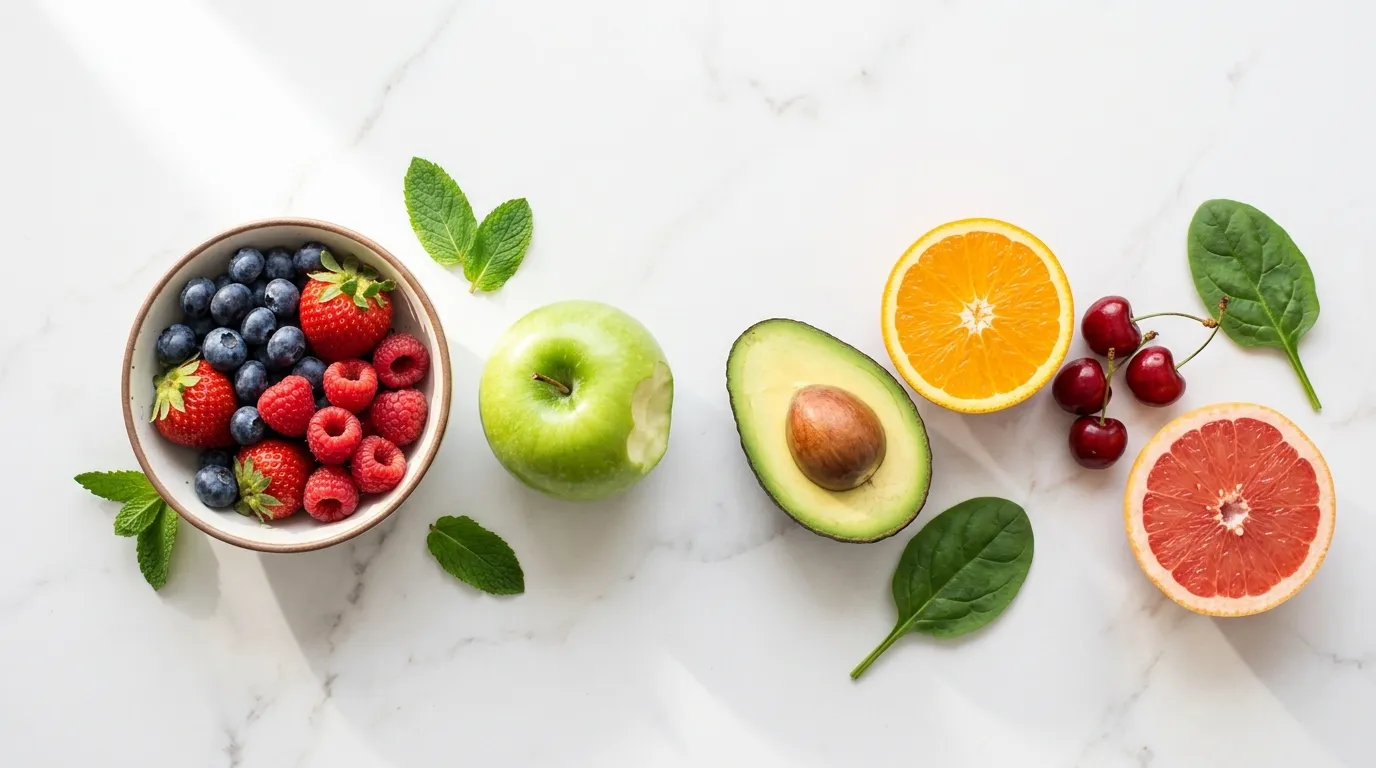
One of the most common questions people with diabetes ask their doctor is: “Can I still eat fruit?”
The answer — from the American Diabetes Association, Cleveland Clinic, and virtually every major diabetes organization — is yes. But not all fruit is equal for blood sugar, and how you eat it matters as much as which fruit you choose.
This guide covers the best fruits for blood sugar management based on glycemic index, fiber content, and published clinical evidence — including a 2025 study that specifically found daily strawberry consumption improved prediabetes status in adults. It also covers which fruits to limit, and the simple strategies that make any fruit more blood-sugar-friendly.
Why Fruit Doesn’t Have to Be Off-Limits
Fruit gets a bad reputation in diabetes circles because it contains sugar. That concern is real but overstated — because fruit sugar and candy sugar behave very differently in your body.
Here’s why: when you eat a whole piece of fruit, the fiber physically slows how quickly the fructose gets converted to glucose and enters your bloodstream. The result is a gradual, modest blood sugar rise — very different from the rapid spike you get from juice, soda, or candy, which deliver the same sugar without the fiber buffer.
A study of more than 200,000 people found that eating at least five servings of fruits rich in anthocyanins — such as blueberries, apples, and pears — each week reduced the risk of Type 2 diabetes by 23%.
Fruit isn’t the enemy. The wrong preparation — juice, dried fruit, canned in syrup — is where the problem starts.
For reference on what blood sugar numbers mean: → Blood Sugar Levels Chart: Normal, Prediabetes, and Diabetes Ranges
Understanding Glycemic Index for Fruit
The glycemic index (GI) measures how quickly a food raises blood sugar on a scale of 0 to 100. For fruit:
- Low GI (under 55): Gradual blood sugar rise — best for daily eating
- Medium GI (55 to 70): Moderate rise — eat in controlled portions
- High GI (above 70): Rapid rise — limit or avoid for blood sugar management
Most whole fruits fall in the low to moderate range. The key word is whole — juice, dried fruit, and canned fruit in syrup have significantly higher effective glycemic impact.
The Best Fruits for Diabetes
1. Berries — Blueberries, Strawberries, Raspberries
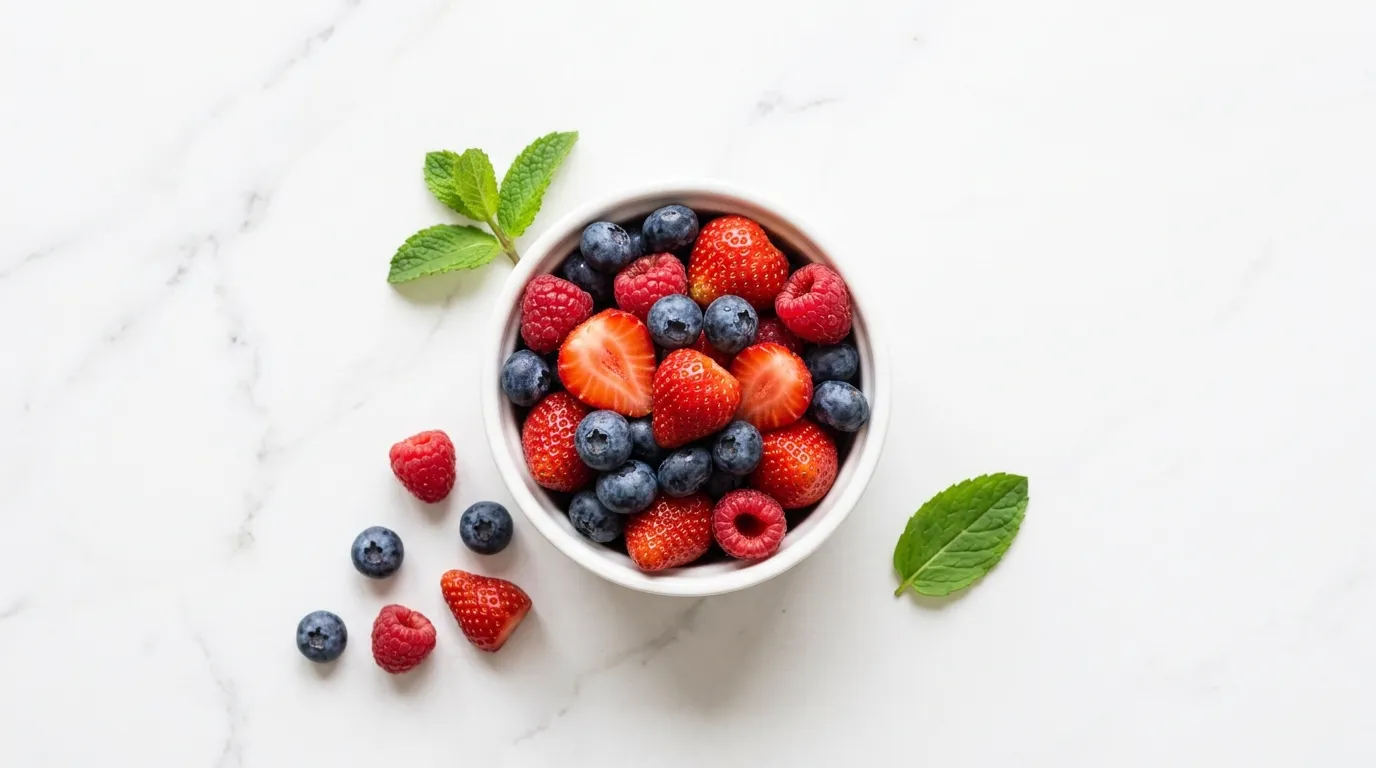
GI: 25 to 53 (Low)
Berries are consistently at the top of every diabetes nutrition list — and the 2025 research specifically strengthens the case for strawberries.
A 2025 study found that a daily dose of strawberries can improve prediabetes status and overall cardiometabolic health in adults — likely due to the bioactive compounds naturally present in the fruit. Strawberries have less sugar and carbs, and a lower glycemic index than blueberries, and received high compliance among study participants.
Blueberries contain anthocyanins — the compounds that give them their deep blue color — that specifically improve insulin sensitivity at the cellular level. Raspberries have among the highest fiber content of any fruit, with 8 grams per cup.
How to eat them: Half a cup to one cup daily. Fresh or frozen — frozen berries retain the same anthocyanin content and are significantly cheaper. Add to plain Greek yogurt, eat standalone, or mix into plain oatmeal.
2. Apples — Fiber, Pectin, and Pre-Meal Strategy
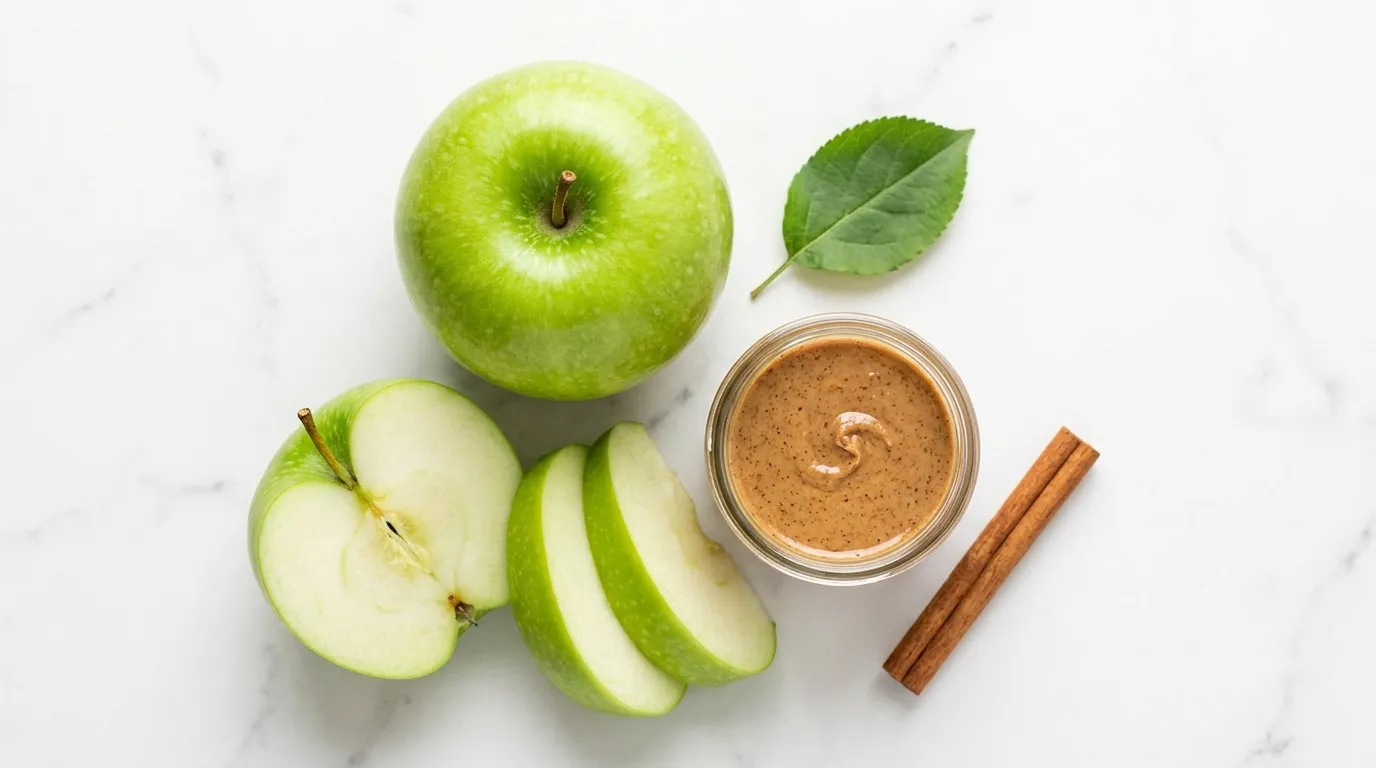
GI: 36 to 38 (Low)
Apples are one of the most blood-sugar-friendly fruits available — and recent research suggests timing them strategically around meals amplifies their benefit.
Eating an apple before a meal could improve abnormally high blood sugar levels afterward and may be a simple and effective strategy for managing the glycemic response in people with prediabetes.
The key mechanism is pectin — a soluble fiber in apples that forms a gel in the digestive tract, slowing glucose absorption from the entire meal that follows. Eating an apple before a carbohydrate-heavy meal is a practical, evidence-backed intervention.
How to eat them: Always with the skin — the majority of the fiber is in and just under the skin. A medium apple has approximately 25 grams of carbohydrates and 4.5 grams of fiber — a favorable ratio. Pair with a tablespoon of almond butter for protein and fat that further slows absorption.
3. Cherries — The Lowest GI Common Fruit
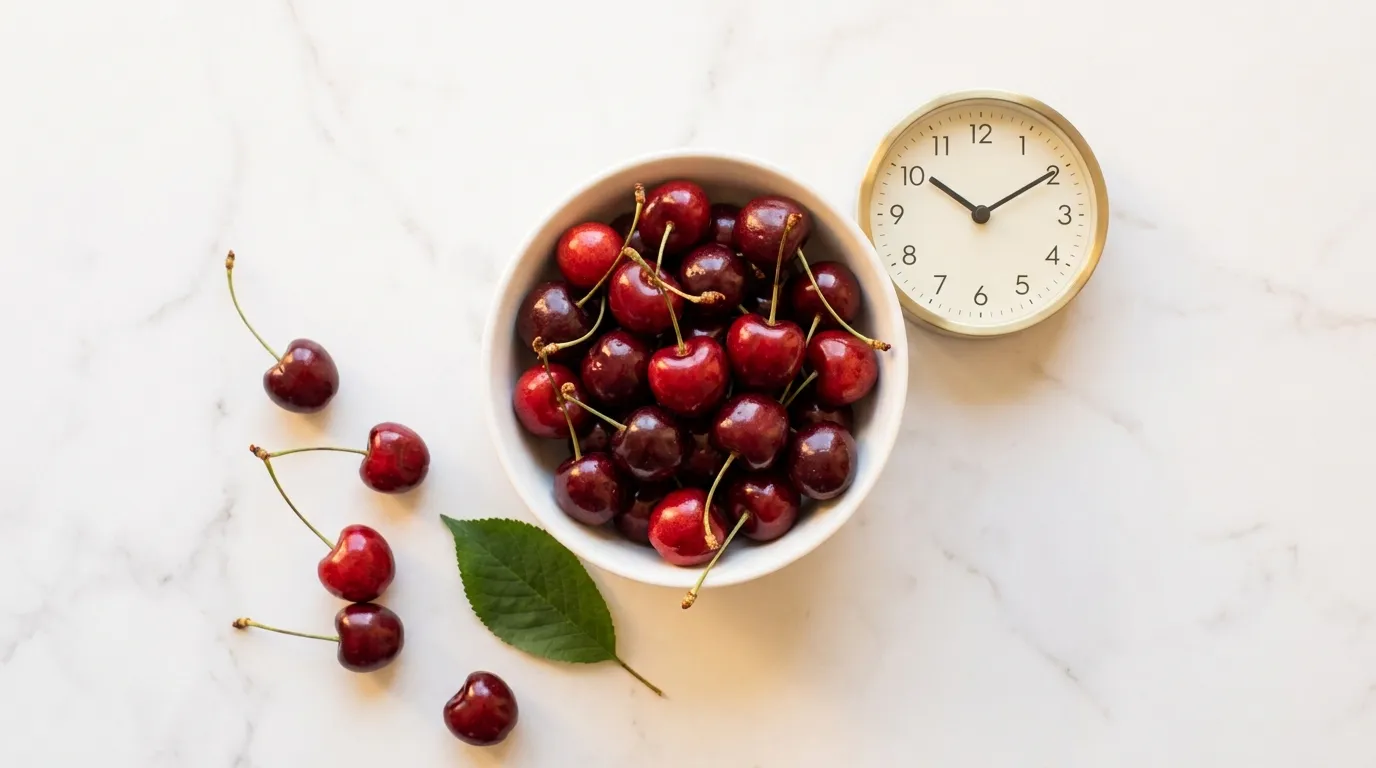
GI: 22 (Low)
Cherries have one of the lowest glycemic indexes of any commonly available fruit — and are rich in anthocyanins, the same compounds that make blueberries particularly beneficial for insulin sensitivity.
They also contain melatonin naturally — relevant for the sleep-blood sugar connection we’ve covered elsewhere. Poor sleep raises cortisol which raises blood sugar; tart cherry consumption supports sleep quality through natural melatonin content.
How to eat them: Fresh sweet cherries or tart cherry juice (unsweetened). A half cup serving is approximately 13 grams of carbohydrates. Tart cherries specifically — not sweet cherry juice with added sugar — are the form most studied for health benefits.
→ Why Blood Sugar Spikes at Night
4. Pears — High Fiber and High Water Content
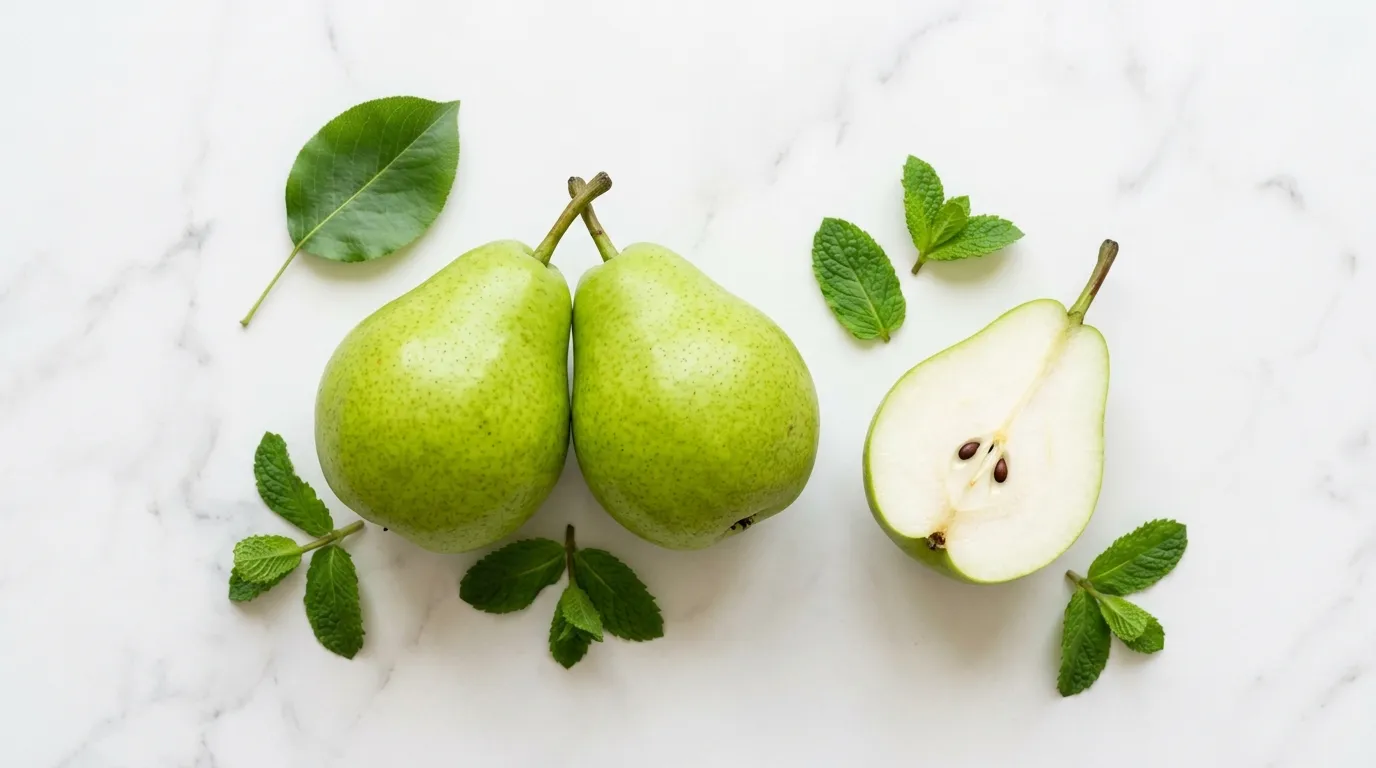
GI: 38 (Low)
Pears are about 84% water and rich in fiber, with a medium piece of fruit containing 6 grams. That fiber content is exceptional for a fruit — and fiber is the primary mechanism that makes fruit blood-sugar-friendly.
Pears also contain quercetin and other polyphenols with anti-inflammatory properties relevant to insulin resistance.
How to eat them: Fresh, with the skin. Choose firm pears over very ripe ones — as fruit ripens, some of the fiber converts to simple sugar, raising the effective glycemic impact. Pears canned in juice (not syrup) are acceptable if fresh isn’t available.
5. Grapefruit — Naringenin and Insulin Sensitivity
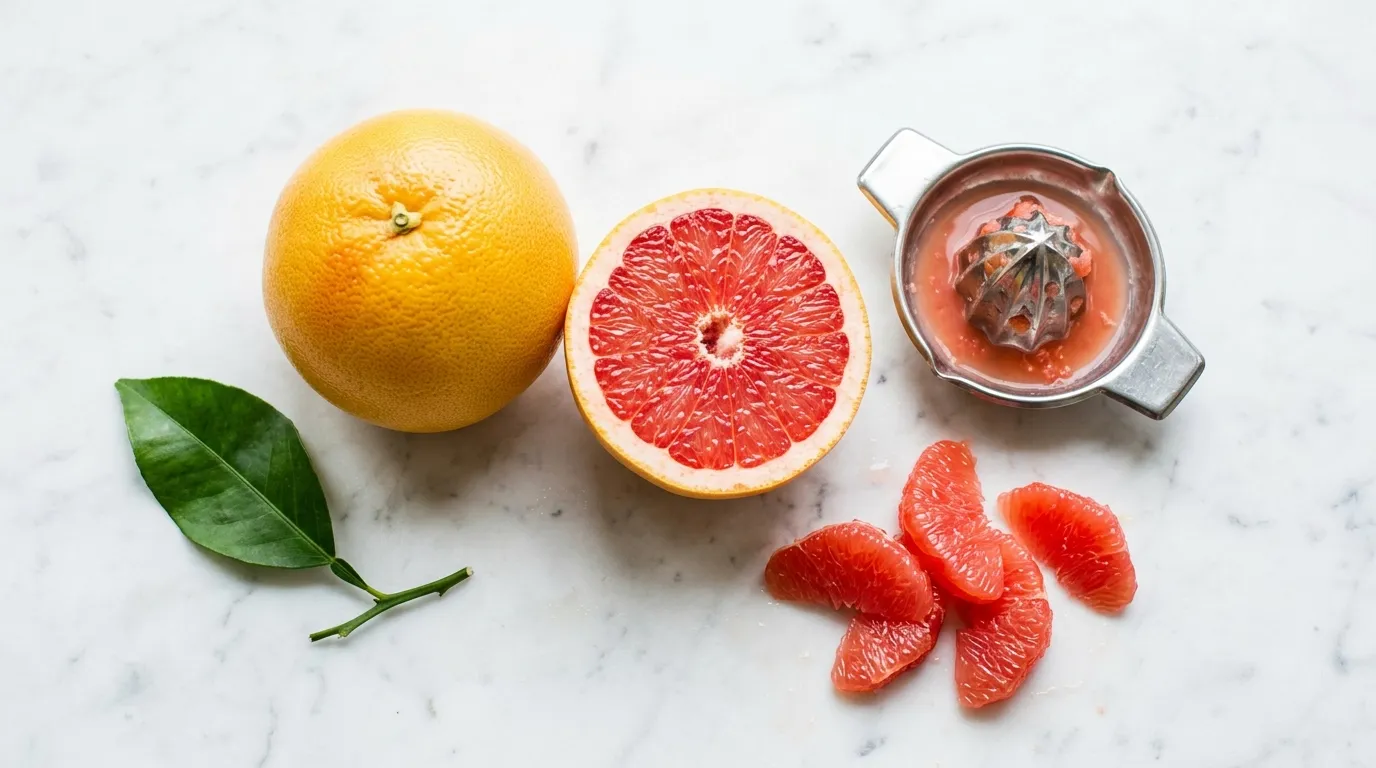
GI: 25 (Low)
Grapefruit is composed of 91% water, rich in vitamin C, and contains naringenin — a compound with a natural bitter taste that helps increase the body’s sensitivity to insulin. Consuming half a grapefruit each day can help control blood sugar levels.
Naringenin is the specific compound that makes grapefruit particularly interesting for blood sugar — it activates the same pathway as some diabetes medications, improving how efficiently cells respond to insulin.
Important warning: Grapefruit interacts with many common medications — including some statins, blood pressure medications, and certain diabetes drugs — by inhibiting the enzyme that metabolizes them. This can cause the medication to reach higher-than-intended levels in your blood. If you take any prescription medication, check with your doctor before adding daily grapefruit to your diet.
How to eat it: Half a grapefruit with breakfast, unsweetened. The bitterness is the naringenin — resist the urge to add sugar.
6. Avocado — Technically a Fruit, Genuinely Exceptional
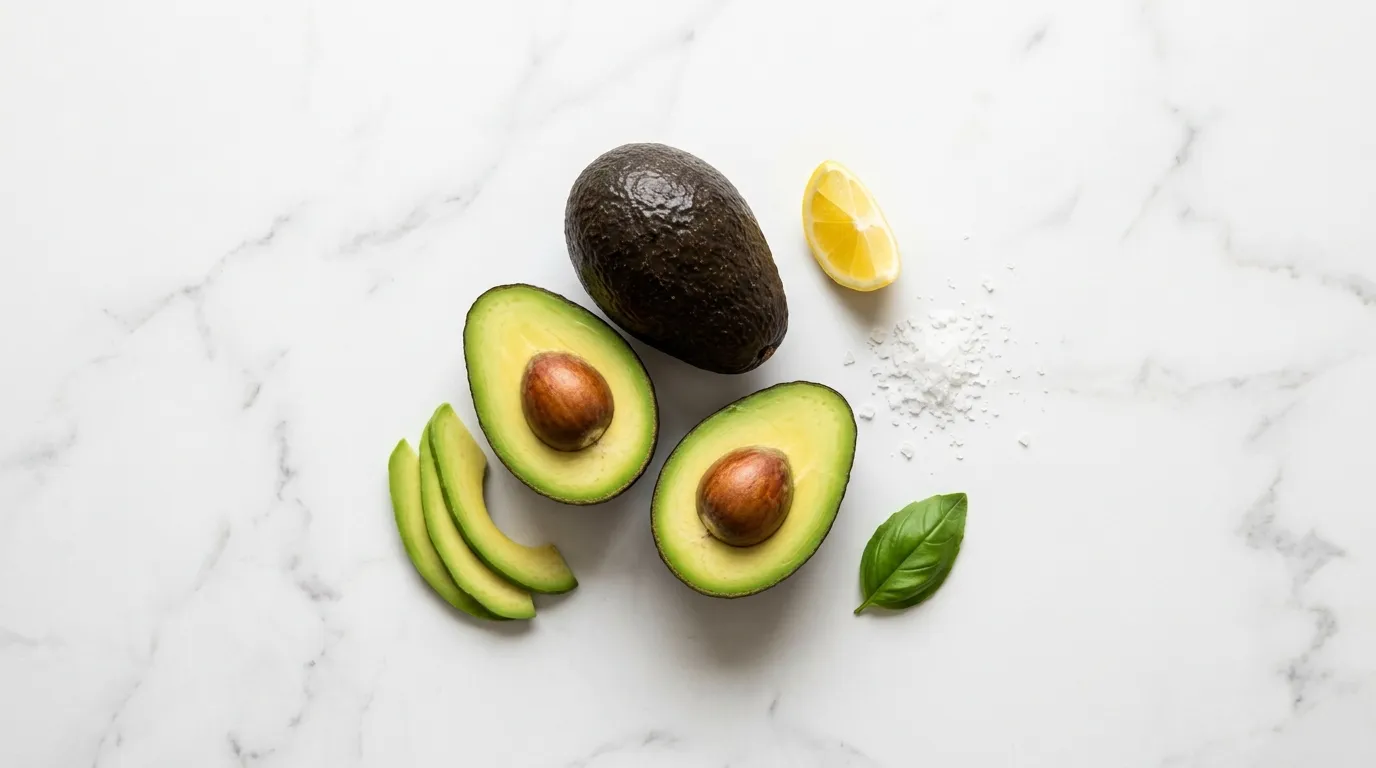
GI: ~15 (Very Low)
Most people think of avocado as a vegetable — botanically, it’s a fruit. And it’s one of the most blood-sugar-friendly options in any category.
When overweight adults ate half an avocado with lunch, it increased their satiety without negatively impacting their blood sugar levels. The ADA lists avocado as a “superstar” food for diabetes.
Avocado is unique among fruits because it’s primarily fat — monounsaturated fat — rather than carbohydrates. A whole avocado has only about 17 grams of carbohydrates, of which 13 are fiber. The net carbohydrate content is extremely low, and the fat content actively slows gastric emptying and reduces post-meal glucose spikes from other foods eaten at the same meal.
How to eat it: Half an avocado with eggs at breakfast, sliced on a salad, or as guacamole with vegetables. Adding avocado to any meal that contains carbohydrates specifically reduces the blood sugar impact of that meal.
7. Oranges — Vitamin C, Fiber, and Whole-Fruit Advantage
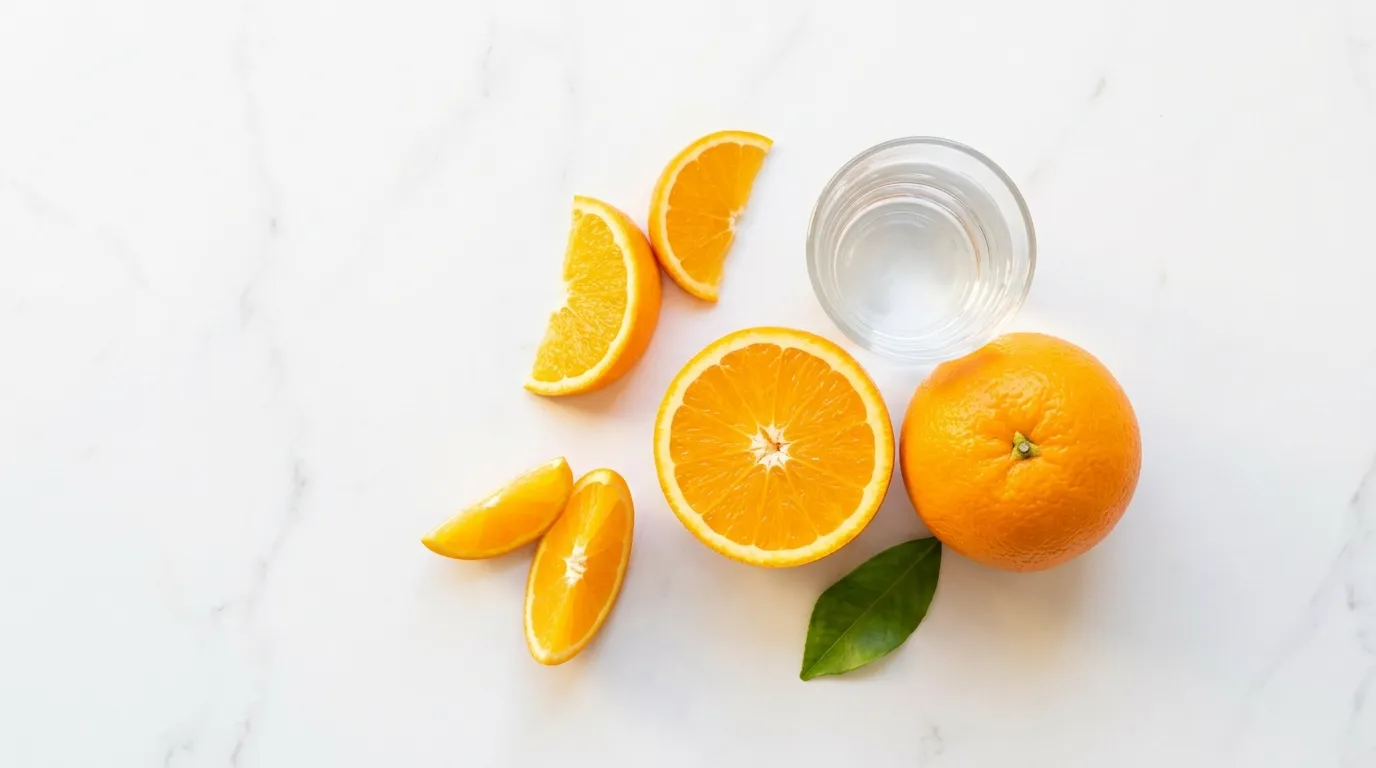
GI: 43 (Low)
Oranges get unfairly lumped in with orange juice — which, as we’ve covered, is problematic for blood sugar. The whole fruit is a very different story.
A medium orange has approximately 15 grams of carbohydrates, 3 grams of fiber, and a significant dose of vitamin C. The fiber slows glucose absorption enough to produce a modest, gradual blood sugar response despite the natural sugar content.
The vitamin C in oranges is also specifically relevant to diabetes — oxidative stress plays a major role in diabetes complications, and vitamin C is one of the body’s primary antioxidant defenses.
How to eat it: The whole fruit, not juice. The difference between eating an orange and drinking orange juice is not subtle — juice removes all the fiber and concentrates the sugar of multiple fruits into one glass.
→ Best Bedtime Drinks to Lower Blood Sugar
Fruits to Limit — Not Eliminate
These fruits have higher glycemic impact and are best eaten in smaller portions or less frequently — but they’re not forbidden.
Watermelon (GI: 72 — High) High glycemic index, but also very high water content — so the actual carbohydrate load per serving is moderate. A reasonable portion (one cup) has about 11 grams of carbohydrates. The glycemic load — which accounts for serving size — is actually low despite the high GI. Eat in moderate portions rather than avoiding entirely.
Bananas (GI: 51 ripe — Medium) Ripeness significantly affects a banana’s blood sugar impact. A slightly underripe banana has a lower GI than a very ripe one because the starch hasn’t fully converted to sugar. Half a banana with protein (nut butter, Greek yogurt) is manageable. A whole ripe banana on its own will spike most people.
Grapes (GI: 46 — Low to Medium) Grapes are easy to overeat — a small handful becomes a cup quickly, and a cup of grapes has about 27 grams of carbohydrates. The GI is reasonable but the portion discipline required makes them trickier than other fruits.
Mangoes and Pineapple (GI: 51 to 59 — Medium) Both are nutritious but higher in sugar than berries or apples. Smaller portions paired with protein and fat are the practical approach.
What to Avoid Entirely
Fruit juice — even 100% natural, no-added-sugar juice removes the fiber and concentrates the sugar of multiple fruits into one glass. From a blood sugar perspective, juice behaves like a sweetened drink.
Dried fruit in large amounts — dehydration concentrates the sugar significantly. Two tablespoons of raisins has as many carbohydrates as a small apple. Small amounts as a topping or garnish are fine; handfuls as a snack are not.
Canned fruit in syrup — the syrup adds significant sugar. Canned fruit in juice or water is acceptable.
Fruit snacks and fruit leather — these are essentially candy. The fruit content is minimal and the sugar content is high.
How to Make Any Fruit More Blood-Sugar-Friendly
These strategies reduce the blood sugar impact of any fruit you eat:
Pair with protein or fat. Apple with almond butter. Berries with Greek yogurt. Avocado with eggs. The protein and fat slow gastric emptying, reducing how quickly the fruit’s sugar enters your bloodstream.
Eat fruit before meals, not after. Eating fruit before a meal — particularly an apple or pear — uses the fiber to slow absorption of the entire meal that follows.
Choose whole over processed. Fresh > frozen > canned in juice > canned in syrup > dried > juice. Each step removes fiber and concentrates sugar.
Earlier in the day is better than later. Insulin sensitivity is naturally higher in the morning and decreases through the day. The same portion of fruit at breakfast raises blood sugar less than the same portion at 9 PM.
Watch portion size. Even low-GI fruits raise blood sugar if you eat three times the serving size. One cup of berries is very different from three cups.
Quick Reference — Best Fruits for Diabetes
| Fruit | GI | Carbs per serving | Best for |
|---|---|---|---|
| Cherries | 22 | 13g / ½ cup | Lowest GI, sleep support |
| Grapefruit | 25 | 13g / ½ fruit | Insulin sensitivity |
| Blueberries | 53 | 11g / ½ cup | Anthocyanins, insulin sensitivity |
| Strawberries | 41 | 8g / ½ cup | Prediabetes support (2025 study) |
| Raspberries | 32 | 7g / ½ cup | Highest fiber of any berry |
| Apple | 36 | 25g / medium | Pre-meal strategy, pectin |
| Pear | 38 | 28g / medium | High fiber, polyphenols |
| Orange | 43 | 15g / medium | Vitamin C, whole-fruit advantage |
| Avocado | ~15 | 4g net / half | Fat-based, reduces meal spikes |
Frequently Asked Questions
Can diabetics eat fruit every day? Yes — the American Diabetes Association recommends whole fruit as part of a healthy diabetic diet. The goal is choosing lower-GI fruits, eating appropriate portions, and pairing with protein or fat. Daily fruit consumption — particularly berries — is associated with improved blood sugar outcomes in published research.
What is the best fruit to lower blood sugar? No fruit directly lowers blood sugar — but berries (particularly strawberries and blueberries) have the most consistent evidence for improving insulin sensitivity and supporting blood sugar management over time. Avocado, while technically a fruit, reduces post-meal blood sugar spikes from other foods through its fat and fiber content.
Is banana bad for diabetics? Not necessarily — a slightly underripe banana in a reasonable portion paired with protein is manageable for most people. A very ripe whole banana as a standalone snack is more likely to cause a significant spike. The ripeness and pairing matter more than the banana itself.
Can diabetics eat watermelon? In moderate portions, yes. Despite its high GI, watermelon’s very high water content means a reasonable serving has a relatively low carbohydrate load. One cup is approximately 11 grams of carbohydrates — manageable as part of a balanced meal.
Is it better to eat fruit in the morning or evening? Morning is better for blood sugar management. Insulin sensitivity is naturally higher earlier in the day, so the same fruit portion raises blood sugar less in the morning than in the evening. Fruit as part of breakfast or a morning snack is preferable to fruit after dinner.
Read More in This Series
→ Which Foods Spike Blood Sugar Most?
→ 5 “Healthy” Foods That Actually Spike Blood Sugar
→ 7 Superfoods Diabetics Should Eat Every Week
→ Best Bedtime Snacks for Diabetics
→ Best Bedtime Drinks to Lower Blood Sugar
→ How to Lower Blood Sugar Naturally
→ Sugar Defender Review
This article is for informational and educational purposes only. It does not constitute medical advice. Always consult a licensed healthcare professional for personalized guidance on blood sugar management.