

By Laura Collins | Updated July 2026 | 10 min read
This content is for informational purposes only and is not medical advice. Always consult your doctor about dietary changes, especially if you take medication for diabetes or blood sugar.
The word “superfood” gets thrown around loosely — but for people managing blood sugar, some foods genuinely earn the label.
A 2023 narrative review published in Medicina (MDPI) analyzed 30 peer-reviewed studies specifically on foods with potential to reduce glycemic levels in Type 2 diabetes patients. The superfoods that consistently appeared across studies: foods with polyphenols (particularly berries), fermented dairy products, whole grains, nuts, and proteins with specific metabolic benefits.
The American Diabetes Association has its own list. Researchers from the International Diabetes Federation point to similar patterns.
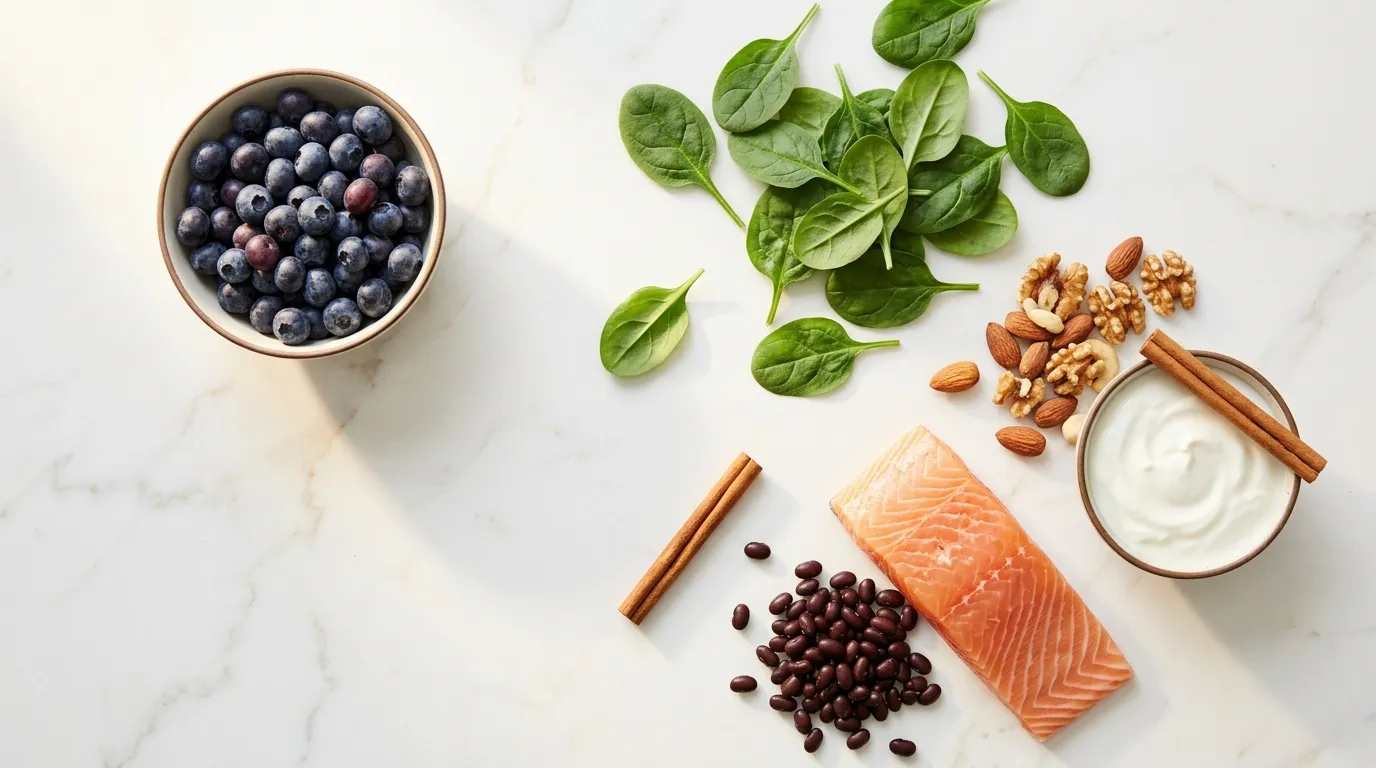
This article covers 7 foods that have genuine, published evidence for blood sugar benefit — not just general “healthy eating” advice. Each one is practical, accessible at any American grocery store, and backed by research you can verify.
What Makes a Food a “Superfood” for Blood Sugar?
Before the list — a quick framework for what we mean.
A superfood for blood sugar does at least one of these things with meaningful clinical evidence:
- Slows glucose absorption after meals
- Improves insulin sensitivity
- Reduces fasting blood sugar over time
- Lowers A1C with consistent consumption
- Protects the cells and organs damaged by sustained high blood sugar
The best ones do several simultaneously. Here are seven that do.
→ Blood Sugar Levels Chart: What Your Numbers Mean
1. Blueberries — The Polyphenol Powerhouse
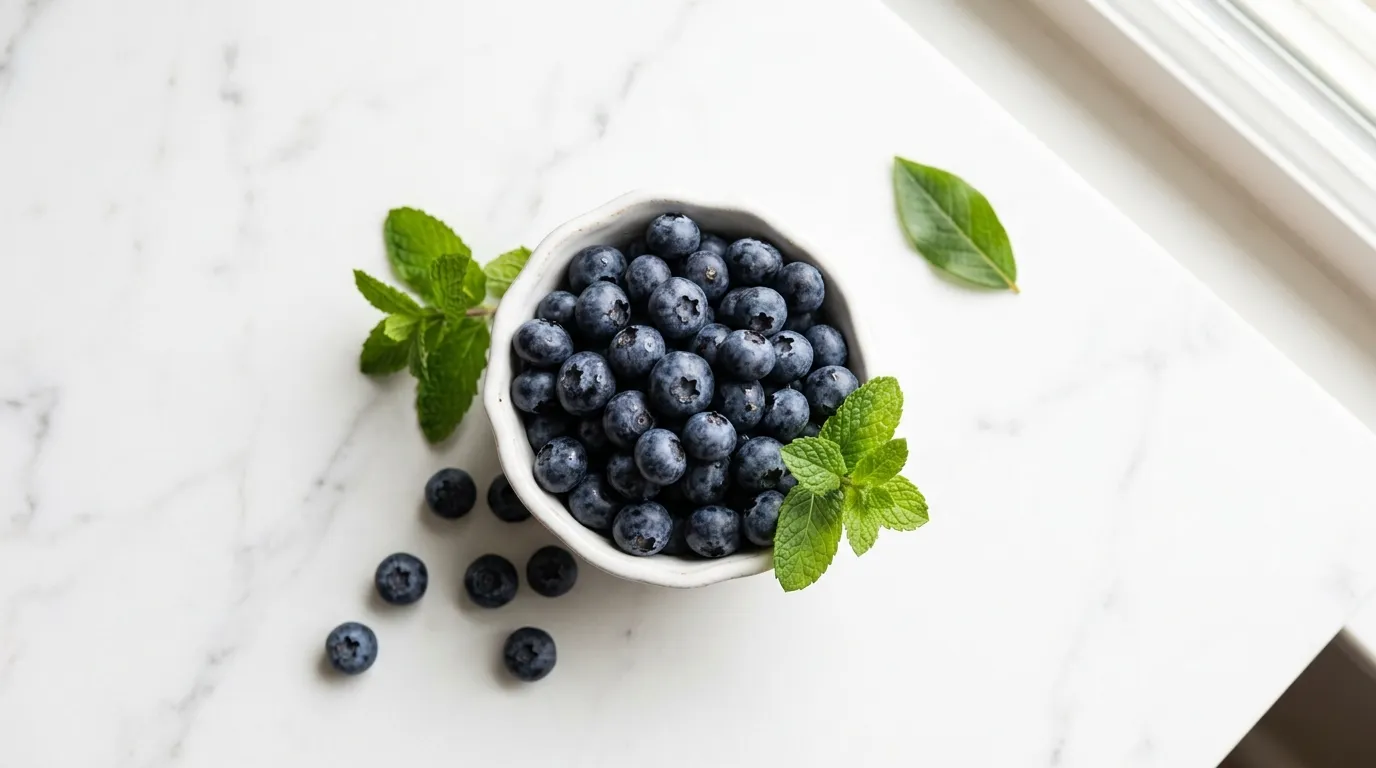
Blueberries are the most consistently cited food across diabetes nutrition research — and the evidence is stronger than most people realize.
What the research shows:
The Medicina narrative review specifically identified berries with polyphenols as one of the top food categories for glycemic control in T2DM patients across 30 reviewed studies. The mechanism is specific: anthocyanins — the compounds that give blueberries their deep blue color — improve insulin sensitivity at the cellular level and reduce post-meal glucose spikes.
A randomized controlled trial found that daily blueberry consumption improved insulin sensitivity in insulin-resistant adults. The effect was dose-dependent — more blueberries produced more improvement.
Beyond blood sugar, blueberries have among the lowest glycemic indexes of any fruit (GI approximately 53) — meaning they don’t significantly raise blood sugar themselves while delivering the anthocyanin benefit.
How to use them: A half cup daily is enough to see benefit. Add to plain Greek yogurt, eat as a standalone snack, or add to oatmeal. Frozen blueberries are equally effective — the anthocyanins survive freezing well.
Honest note: Fresh blueberries are expensive. Frozen wild blueberries are cheaper and often have higher anthocyanin content than cultivated fresh varieties.
2. Leafy Greens — Magnesium, Fiber, and Near-Zero Carbs
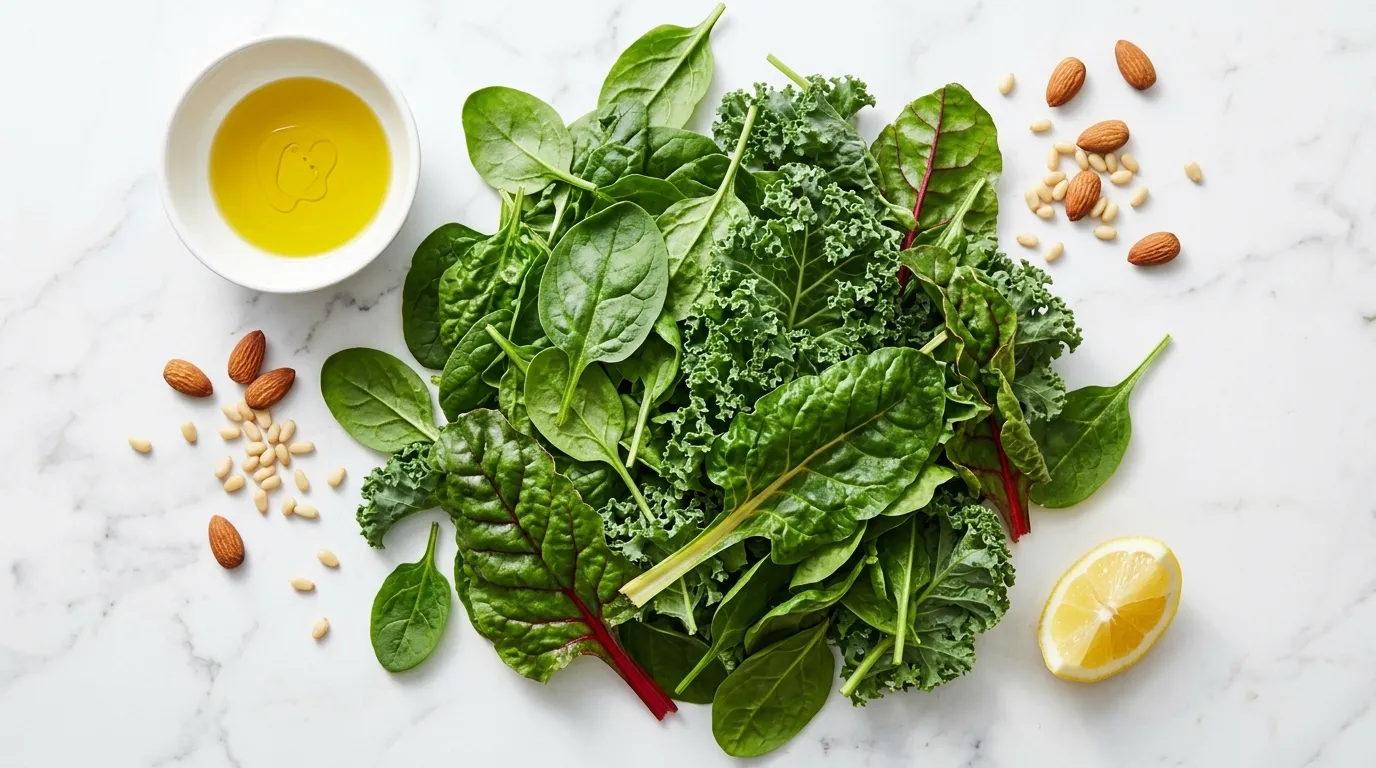
Spinach, kale, Swiss chard, collard greens — this entire food category is arguably the single most important dietary addition for people managing blood sugar.
What the research shows:
Leafy greens are extremely low in carbohydrates and high in fiber — the combination that has the most direct impact on post-meal blood sugar. But the deeper benefit is magnesium.
Multiple studies have linked magnesium deficiency to insulin resistance and elevated blood sugar. Leafy greens are among the richest dietary sources of magnesium. A large observational study found that higher magnesium intake was associated with significantly lower risk of Type 2 diabetes — and that the association was stronger for food-source magnesium than supplement magnesium.
The Medicina review specifically identified leafy greens as having consistent evidence for glycemic benefit across multiple study designs.
How to use them: The goal is one to two servings daily. A handful of spinach in scrambled eggs adds almost zero carbohydrates. A large salad before a higher-carbohydrate meal specifically reduces the post-meal glucose spike by slowing gastric emptying. Kale chips are a legitimate blood-sugar-friendly snack.
The meal order trick: Eating vegetables before carbohydrates at the same meal consistently reduces post-meal blood sugar — multiple studies confirm this. Starting dinner with a salad before the main course is a simple, zero-cost blood sugar intervention.
3. Beans and Legumes — Protein, Fiber, and Resistant Starch Together
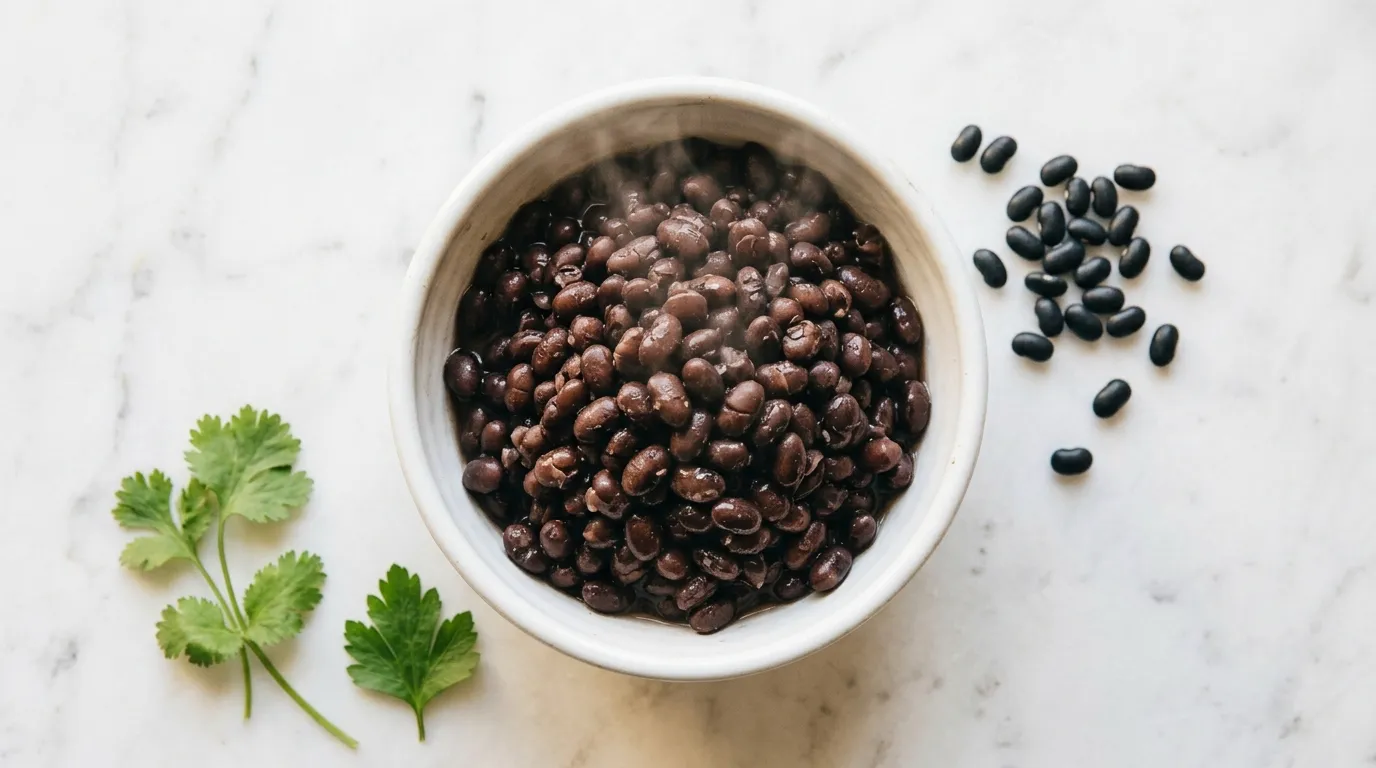
The American Diabetes Association specifically recommends beans — kidney, pinto, navy, and black beans — as a cornerstone of the diabetic diet. This recommendation is backed by substantial evidence.
What the research shows:
Beans contain three things that each independently benefit blood sugar — and they work synergistically:
Protein slows gastric emptying and reduces post-meal glucose spikes. Soluble fiber forms a gel in the digestive tract that slows carbohydrate absorption. Resistant starch — the type of starch in beans — resists digestion in the small intestine and ferments in the colon, feeding beneficial gut bacteria that improve insulin sensitivity.
The glycemic index of most beans is remarkably low — between 20 and 40 — despite being a carbohydrate-containing food. This makes them one of the few carbohydrate sources that actively helps blood sugar rather than spiking it.
A meta-analysis of randomized controlled trials found that legume consumption significantly reduced fasting blood glucose and A1C in people with Type 2 diabetes.
How to use them: Half a cup of beans 3 to 4 times per week is the studied amount. Add to salads, soups, or as a side dish replacing higher-GI starches. Canned beans are equally nutritious as dried — just rinse them to reduce sodium.
4. Fatty Fish — Omega-3s and Inflammation
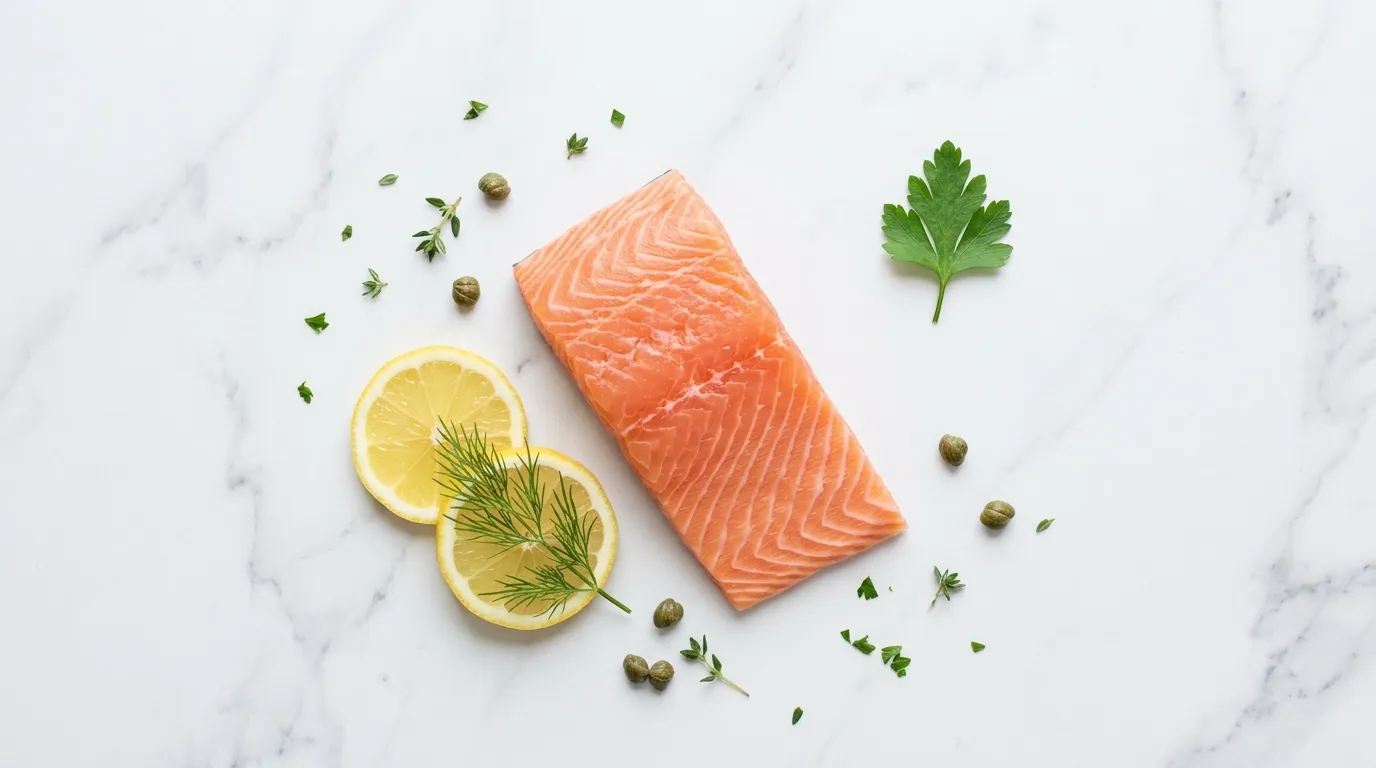
Salmon, sardines, mackerel, and herring don’t directly lower blood sugar — but they address one of the primary drivers of insulin resistance: chronic inflammation.
What the research shows:
Chronic low-grade inflammation is now understood as a core mechanism in the development and progression of Type 2 diabetes. Omega-3 fatty acids — particularly EPA and DHA found in fatty fish — are among the most potent natural anti-inflammatory compounds available through food.
Multiple studies show omega-3 supplementation improves insulin sensitivity and reduces inflammatory markers (particularly CRP and IL-6) that correlate with insulin resistance. The Medicina review identified proteins with specific metabolic benefits — particularly omega-3-rich fish — as consistently appearing in the top tier of diabetes superfoods across reviewed studies.
Fatty fish also provides complete protein with zero carbohydrates — making it one of the most blood-sugar-neutral protein sources available.
How to use them: Two to three servings per week is the evidence-based target. A 3 to 4oz serving of salmon, sardines, or mackerel. Canned sardines and mackerel are affordable and have the same omega-3 content as fresh. If you don’t eat fish, flaxseeds and chia seeds provide ALA omega-3s — a precursor that the body partially converts, though less efficiently than direct EPA/DHA.
5. Nuts — Particularly Walnuts and Almonds
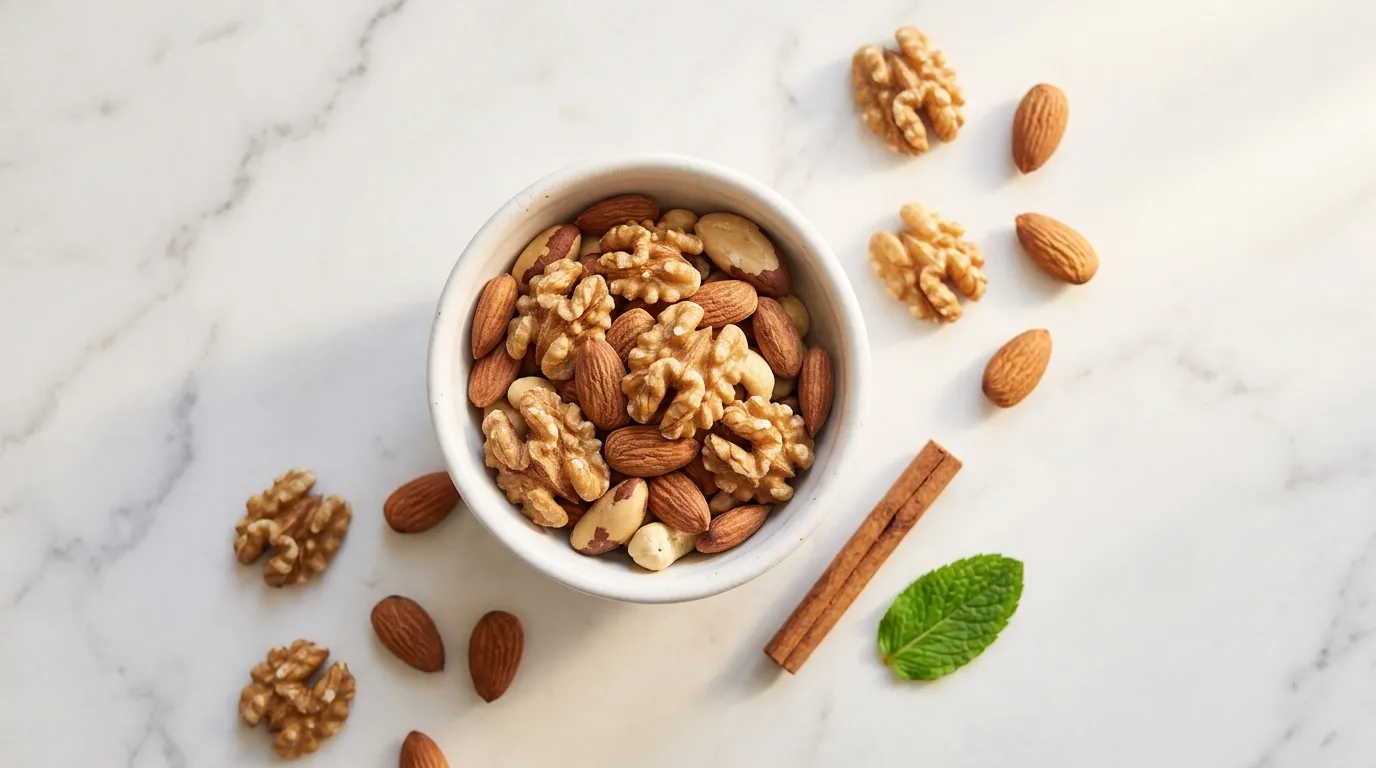
Nuts are one of the most research-supported snack choices for people managing blood sugar — and the mechanism is well understood.
What the research shows:
A large meta-analysis of randomized controlled trials found that nut consumption significantly reduced fasting blood glucose, A1C, and insulin resistance in people with Type 2 diabetes. The effect was consistent across nut types, but strongest for walnuts and almonds.
The mechanism: nuts combine healthy fats (that slow gastric emptying), protein (that reduces post-meal glucose), fiber (that slows carbohydrate absorption), and magnesium (that supports insulin function) in a single food. This multi-mechanism combination makes nuts particularly effective as a replacement for high-carbohydrate snacks.
Walnuts specifically contain alpha-linolenic acid (ALA) — the plant-based omega-3 — that provides additional anti-inflammatory benefit. Almonds are particularly rich in magnesium and vitamin E.
How to use them: A small handful (approximately 1oz / 28g) as a snack, particularly in the afternoon when blood sugar dips are common, or before bed to stabilize overnight glucose. The key is the 1oz portion — nuts are calorie-dense, and larger portions can contribute to weight gain that counteracts the blood sugar benefit.
What to avoid: Flavored, sweetened, or honey-roasted nuts — these add significant sugar. Plain or lightly salted is the target.
6. Plain Greek Yogurt — Fermented Dairy and Gut Health
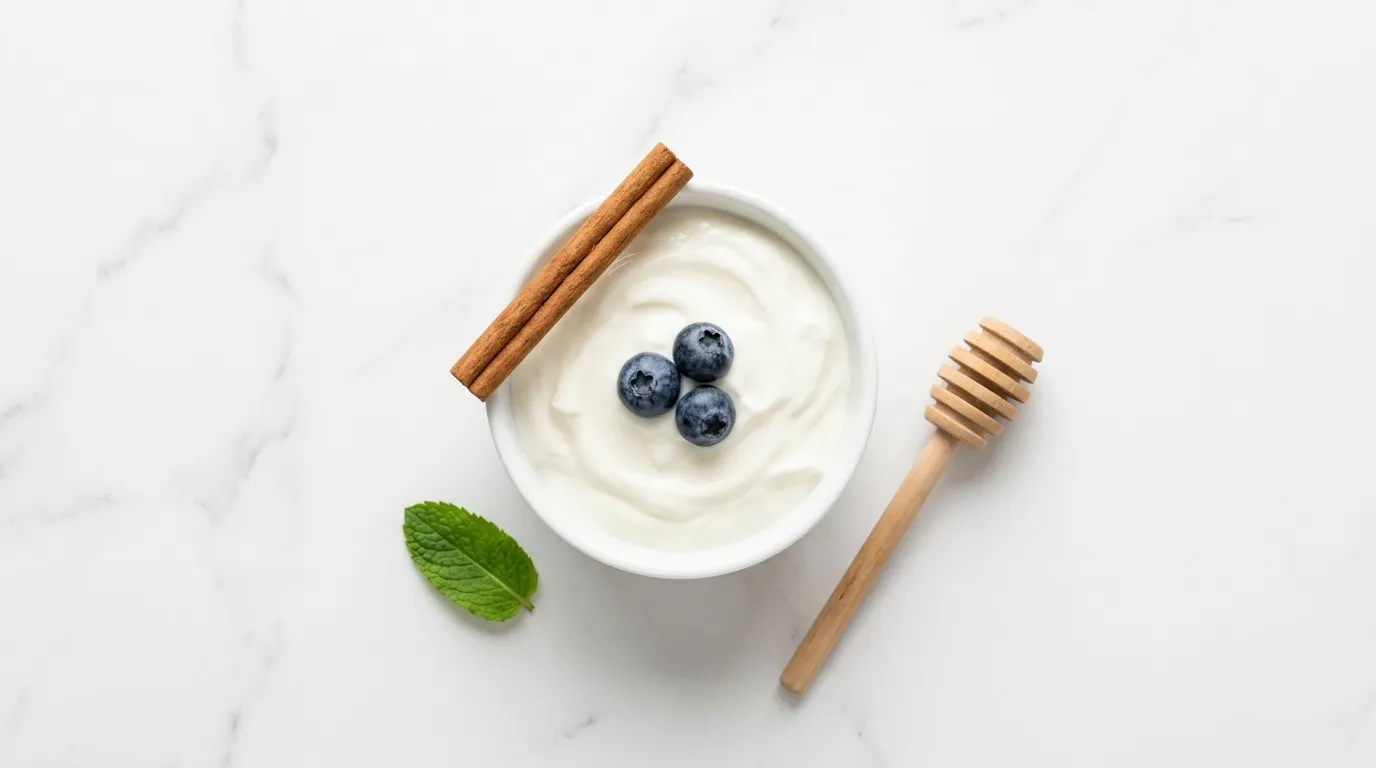
The Medicina review specifically identified fermented dairy products as one of the food categories with consistent evidence for glycemic benefit in T2DM patients. Plain Greek yogurt is the most accessible and evidence-backed member of this category.
What the research shows:
Fermented dairy benefits blood sugar through two mechanisms. First, the fermentation process produces short-chain fatty acids and bioactive peptides that improve insulin sensitivity. Second, the live cultures in Greek yogurt support gut microbiome diversity — and gut microbiome health is increasingly understood as a key regulator of glucose metabolism and insulin sensitivity.
The protein content of Greek yogurt (15 to 20g per serving) provides direct blood sugar benefit by slowing gastric emptying and reducing post-meal spikes.
In 2024, the FDA issued a qualified health claim allowing yogurt manufacturers to state that eating yogurt at least three times per week is associated with reduced risk of developing Type 2 diabetes — a meaningful regulatory acknowledgment of the evidence.
How to use it: Plain, unsweetened Greek yogurt only — not flavored varieties, which contain significant added sugar. Add fresh berries, a small handful of nuts, or cinnamon for flavor without sugar. As a breakfast, snack, or base for savory sauces replacing higher-sugar condiments.
7. Cinnamon — The Spice With Real Evidence
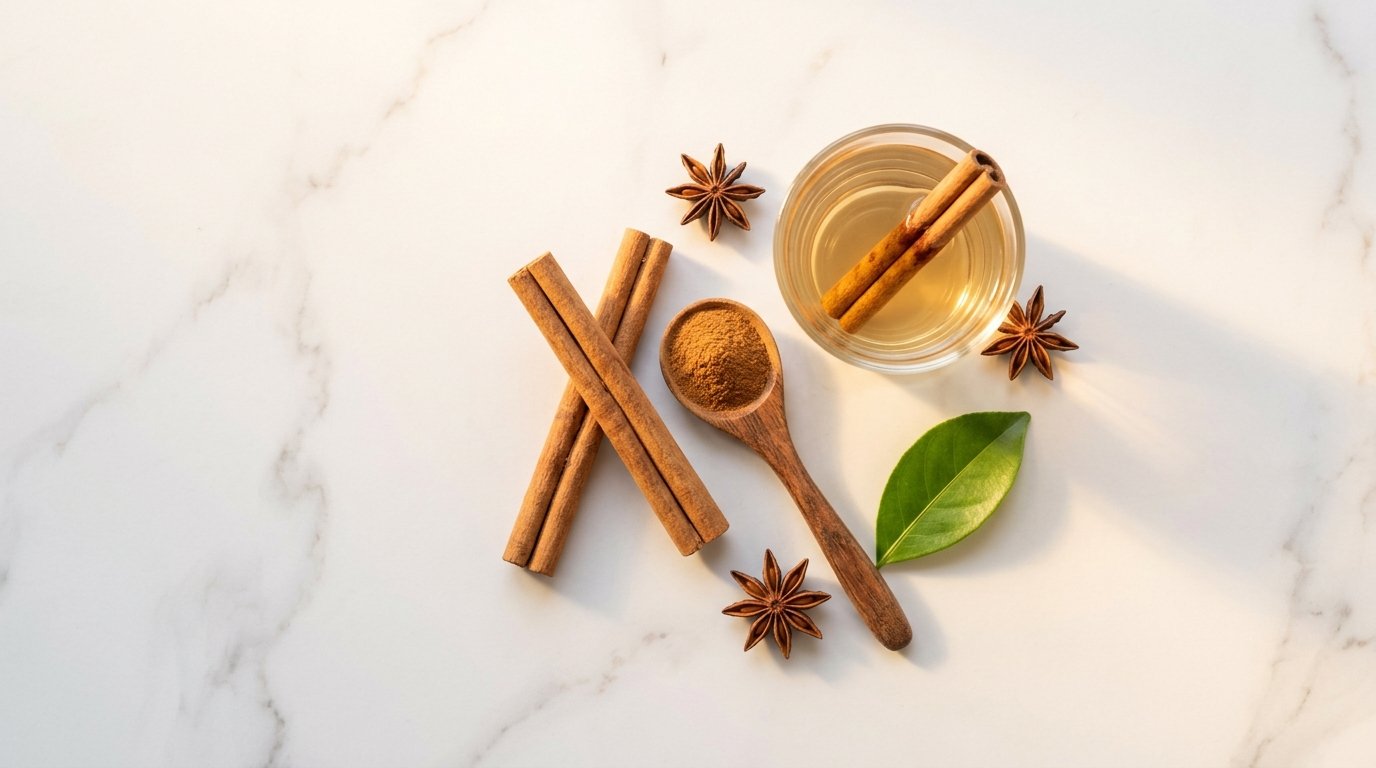
Cinnamon is one of the most extensively studied natural compounds for blood sugar — and one of the few spices where the evidence is strong enough to appear consistently in clinical research, not just observational studies.
What the research shows:
Multiple randomized controlled trials have found that cinnamon supplementation reduces fasting blood glucose, improves insulin sensitivity, and modestly reduces A1C in people with Type 2 diabetes. A meta-analysis of ten RCTs found that cinnamon supplementation significantly reduced fasting blood sugar compared to placebo.
The mechanism involves several pathways: cinnamon appears to mimic insulin’s effects on glucose uptake, slow gastric emptying, and reduce post-meal glucose spikes through enzyme inhibition.
Important distinction: Ceylon cinnamon (also called “true cinnamon”) is the type recommended for regular use. Cassia cinnamon — the most common variety in American stores — contains coumarin, which can be harmful to the liver at high doses. Ceylon cinnamon has minimal coumarin and is safe for daily use.
How to use it: Half a teaspoon of Ceylon cinnamon daily is the amount used in most clinical studies. Add to coffee, oatmeal, plain yogurt, or warm water as a tea. The key is using it consistently — the effect is cumulative with daily use over weeks, not immediate.
→ Best Bedtime Drinks to Lower Blood Sugar
How to Build These Into Your Week
You don’t need to eat all seven every day — consistency with most of them most of the time produces the cumulative benefit.
A practical weekly framework:
Daily: Leafy greens (at least one serving), cinnamon (in coffee or yogurt), plain Greek yogurt
Most days: Blueberries or mixed berries, a small handful of nuts
3 to 4 times per week: Beans or legumes (as a side or in soup/salad)
2 to 3 times per week: Fatty fish (salmon, sardines, mackerel)
This isn’t a rigid meal plan — it’s a pattern. Missing one day or one food doesn’t undo the effect. The cumulative, consistent pattern over weeks and months is what shows up in A1C readings.
What These Foods Have in Common
Looking at all seven together, the pattern is clear:
Fiber, protein, and healthy fats — the three macronutrient categories that slow glucose absorption — appear across the entire list.
Anti-inflammatory compounds — polyphenols in blueberries, omega-3s in fatty fish, antioxidants in leafy greens — address the chronic inflammation that drives insulin resistance.
Gut microbiome support — fermented dairy, beans with resistant starch, and fiber-rich foods all feed the beneficial bacteria that regulate glucose metabolism.
No single food on this list is a cure. But collectively, consistently, they address the metabolic mechanisms that make blood sugar management easier — through food rather than supplements.
Frequently Asked Questions
No single food lowers blood sugar dramatically on its own. But if forced to choose one, leafy greens have the most consistent evidence across studies and the most direct mechanism — near-zero carbohydrates, high magnesium for insulin function, and the meal-order effect that reduces post-meal spikes from other foods.
Yes — blueberries have a relatively low glycemic index (approximately 53) and contain anthocyanins that specifically improve insulin sensitivity. A half cup serving has approximately 11 grams of carbohydrates with 2 grams of fiber. They’re one of the most recommended fruits for people managing blood sugar.
Yes — beans are one of the few carbohydrate-containing foods consistently recommended for daily or near-daily consumption in diabetic diets. Their combination of protein, soluble fiber, and resistant starch makes them uniquely blood-sugar-friendly despite containing carbohydrates.
Plain Greek yogurt — unsweetened — yes. The protein content, fermentation-derived bioactive compounds, and probiotic cultures all support blood sugar management. Flavored Greek yogurt with added sugar is a different story entirely.
Multiple randomized controlled trials say yes — cinnamon reduces fasting blood glucose and improves insulin sensitivity in people with Type 2 diabetes. The effect is modest but real and consistent across studies. Use Ceylon cinnamon for daily use (not Cassia, which contains higher coumarin).
Read More in This Series
→ Which Foods Spike Blood Sugar Most?
→ 5 “Healthy” Foods That Actually Spike Blood Sugar
→ Best Bedtime Snacks for Diabetics
→ Best Bedtime Drinks to Lower Blood Sugar
→ How to Lower Blood Sugar Naturally
→ GlucoTrust Review: The Bedtime Blood Sugar Supplement
→ Sugar Defender Review
This article is for informational and educational purposes only. It does not constitute medical advice. Always consult a licensed healthcare professional for personalized guidance on blood sugar management.