

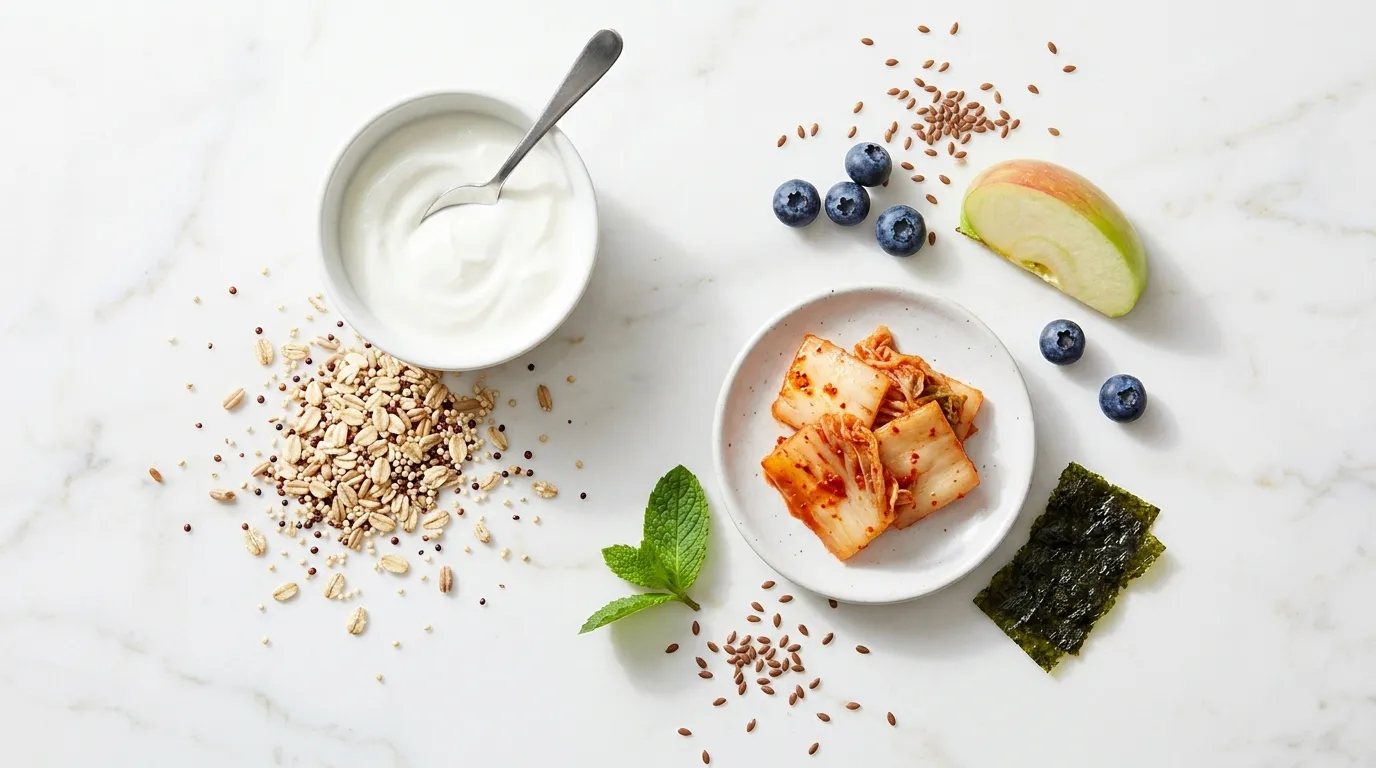
10 Natural Ways to Improve Digestion (That Actually Work, According to Science)

06/06/2026
Written by the Wellness Balance Pro Editorial Team

Reviewed under the editorial direction of Laura Collins (editorial persona), using research-based analysis of ingredients, clinical data, and real-world user insights.

Good digestion is one of those things you don’t appreciate until it’s gone.

When your digestive system is working the way it should, you barely notice it. Food goes in, nutrients get absorbed, waste moves out. You feel light, energized, and comfortable after meals.

But when digestion breaks down — when bloating becomes your normal, when you’re constantly tired no matter how much you sleep, when bathroom habits are unpredictable — it starts affecting everything. Your energy. Your mood. Your weight. Your skin. Your ability to focus.

A healthy digestive system is the foundation of overall well-being. Digestion affects how efficiently your body absorbs nutrients, how balanced your energy levels feel, and even how strong your immune system is.

The good news: your digestive system is one of the most responsive systems in your body. The right daily habits — even small ones — can produce noticeable improvements within days to weeks.

This guide covers 10 natural, science-backed ways to improve digestion that you can start today. No extreme diets. No expensive protocols. Just practical steps that work.


1. Slow Down and Actually Chew Your Food

This one sounds almost too simple — but it’s one of the most impactful changes you can make, and one of the most overlooked.

Digestion doesn’t start in your stomach. It starts in your mouth. Chewing breaks food into smaller pieces and mixes it with saliva, which contains amylase — a digestive enzyme that begins breaking down carbohydrates before food even reaches your stomach. The more thoroughly you chew, the less work your stomach and intestines have to do.

According to 2025 insights, it takes roughly 20 minutes for your stomach to send hormonal signals that register fullness and satiety. Eating too quickly bypasses this system entirely — you consume more food than you need before your body has a chance to tell you it’s satisfied.

Rapid eating also leads to swallowing excess air, which contributes directly to bloating and gas.

Simple practices to slow down:

  • Set a timer for at least 20 minutes per meal and pace yourself
  • Take smaller bites and put your utensils down between chews
  • Avoid screens during meals — scrolling while eating consistently leads to faster, more distracted eating
  • Aim to chew each bite 20–30 times before swallowing

Most people notice a reduction in post-meal bloating within the first week of eating more slowly and deliberately.


2. Drink More Water — But Time It Right

Water is necessary for all body functions, including digestion. Eating more fiber is often recommended for better digestion, but without enough water, fiber can’t do its job. Water and fiber work together to push food through the digestive tract, keep stool soft, and prevent constipation.

Dehydration is one of the most common and most overlooked causes of constipation and sluggish digestion in the US. Most Americans are mildly dehydrated on a daily basis — and many interpret that dehydration as hunger, leading to overeating on top of the digestive slowdown.

How much water do you actually need? The Institute of Medicine recommends women drink approximately 9 cups (72 oz) of water daily and men drink approximately 13 cups (104 oz). Your actual needs vary based on body weight, activity level, climate, and how much water you get from food.

The timing matters: Aim to get most of your fluid intake 15–30 minutes before a meal, or at least an hour after. Drinking more than about 6 ounces of liquid during a meal can dilute stomach acid, making digestion less efficient. A small glass of water with meals is fine — but save your larger water intake for between meals.

Other hydrating options that support digestion:

  • Herbal teas — ginger, peppermint, and chamomile all have specific digestive benefits
  • Bone broth — hydrating and gut-lining supportive
  • Water-rich foods like cucumber, celery, watermelon, and leafy greens

3. Fill Up on Fiber — Both Types

Fiber is the body’s natural digestive aid — and most Americans don’t come close to getting enough. The general recommendation is 25–35 grams of fiber per day. The average American gets about 10–15 grams.

There are two types of fiber, and both matter for digestion:

Soluble fiber dissolves in water and forms a gel-like substance in the digestive tract. It slows digestion (in a good way), stabilizes blood sugar, lowers cholesterol, and feeds beneficial gut bacteria. Sources include oats, apples, citrus fruits, beans, lentils, and flaxseeds.

Insoluble fiber doesn’t dissolve in water. It adds bulk to stool, speeds transit time through the colon, and helps prevent constipation. Sources include whole wheat, vegetables (especially with skins on), nuts, and seeds.

Both are important in preventing constipation and can improve conditions such as irritable bowel syndrome. Most fiber-rich foods contain both types in varying proportions — which is why eating a wide variety of plant foods is more effective than focusing on any single “high-fiber” food.

Important note: If you currently eat a very low-fiber diet, increase your intake gradually. Adding too much fiber too quickly — before your gut bacteria have adapted — can temporarily increase gas and bloating. Build up over 2–3 weeks while increasing water intake simultaneously.


4. Move Your Body Every Day

Daily activity is a natural digestive aid — and one of the most underutilized ones.

Physical movement stimulates peristalsis — the wave-like muscle contractions that move food through your digestive tract. When you’re sedentary, digestion slows. When you move regularly, it stays on pace.

Research consistently shows that even moderate physical activity significantly improves gut motility, reduces constipation, and increases microbial diversity in the gut. More active people have measurably more diverse and healthier microbiomes — even when diet is held constant.

You don’t need intense exercise to benefit:

  • A 20–30 minute walk after meals has been shown to meaningfully improve digestion and reduce post-meal blood sugar spikes
  • Light movement like stretching or yoga stimulates the vagus nerve — which directly regulates digestive function through the gut-brain axis
  • Even standing up and walking for 5 minutes every hour helps prevent the digestive slowdown that comes from prolonged sitting

Incorporating regular physical activity into your routine will not only support your gut but also boost energy, improve sleep, and reduce stress — all of which positively influence digestive health.

The simplest starting point: a 15–20 minute walk after dinner. It requires no gym, no equipment, and no planning — and its effect on digestion is well-documented.


5. Manage Stress Like Your Gut Depends on It (Because It Does)

Stress produces cortisol, which prepares the body for the fight-or-flight response. The problem is that this response shuts down your digestive system — because when your body thinks it’s in danger, digesting lunch is not a priority.

Stress shuts down digestive enzymes and triggers the fight-or-flight response instead of the rest-and-digest state your gut needs. Chronic stress keeps your digestive system in a state of suppression — reducing enzyme production, slowing motility, increasing gut permeability, and altering the balance of gut bacteria.

High stress levels can alter gut motility, increase inflammation, and exacerbate conditions such as irritable bowel syndrome and acid reflux. The gut-brain axis — the direct communication network between your digestive system and your brain — means that your emotional state is constantly being transmitted to your gut, and vice versa.

Effective stress management practices for gut health:

  • Diaphragmatic breathing (belly breathing): 5–10 deep breaths before meals activates the parasympathetic nervous system (rest-and-digest mode) and meaningfully improves digestive enzyme output
  • Daily walks in nature: Even 20 minutes lowers cortisol and supports gut motility
  • Mindfulness meditation: Consistent practice has been shown to reduce IBS symptoms and improve overall digestive comfort
  • Yoga: Particular poses — forward folds, twists, and seated poses — directly stimulate digestive organs
  • Adequate sleep and a consistent sleep schedule: Play a crucial role in regulating the gut-brain connection and normalizing cortisol rhythms

You don’t need to eliminate stress from your life — that’s not realistic. But building one or two consistent daily stress-reduction practices creates a measurable difference in how your digestive system functions.


6. Add Fermented Foods to Your Daily Routine

Fermented foods are one of the most direct ways to support your gut microbiome — and your gut microbiome is central to healthy digestion.

Fermented and cultured foods have natural probiotics and prebiotics which contain bacteria that research shows helps with digestion, inflammation, allergies, and irritable bowel syndrome. The live bacteria in fermented foods populate your gut, compete with harmful bacteria, support the gut lining, and produce beneficial compounds that improve overall digestive function.

Best fermented foods for digestion:

  • Plain yogurt with live cultures — widely available, easy to incorporate daily
  • Kefir — contains more probiotic strains than yogurt and is easier to digest for many people
  • Sauerkraut — must be raw and refrigerated to contain live bacteria; excellent source of Lactobacillus
  • Kimchi — fermented vegetables with a wide range of beneficial bacterial strains
  • Miso — add to soups and dressings after removing from heat to preserve live cultures
  • Kombucha — choose low-sugar varieties for maximum benefit

You don’t need to eat all of these. Start with one that you enjoy and can realistically eat every day. Consistency over weeks produces far better results than occasional variety.


7. Eat at Regular Times — And Stop Eating Late at Night

Your digestive system operates on a circadian rhythm — a 24-hour internal clock that regulates when digestive enzymes are secreted, when gut motility is strongest, and when your gut microbiome is most active.

Maintaining regular meal times, getting adequate sleep, and engaging in daily physical activity all help keep your digestion running smoothly. Irregular eating patterns — skipping meals, eating at random times, or eating large meals late at night — disrupt that rhythm and make digestion less efficient.

Late-night eating is particularly problematic for digestion. Your gut motility naturally slows in the evening as your body prepares for sleep. Eating a large meal close to bedtime means food sits in your digestive tract longer than it should, fermenting and causing gas, bloating, and discomfort overnight.

Practical guidelines:

  • Eat your largest meal earlier in the day — morning and midday digestion is most efficient
  • Aim to finish eating at least 2–3 hours before bed
  • Try to eat meals at roughly consistent times each day — your gut bacteria literally adjust their activity based on your eating schedule
  • If you need something in the evening, keep it small and easy to digest (a small bowl of yogurt, a handful of nuts, a piece of fruit)

8. Include Healthy Fats in Every Meal

This surprises many people: fat is essential for healthy digestion.

Good fats support digestion in multiple ways. They’re required for the absorption of fat-soluble vitamins A, D, E, and K. They trigger the gallbladder to release bile, which is essential for breaking down dietary fat and eliminating certain waste products. And they slow the emptying of the stomach in a way that stabilizes blood sugar and helps you feel satisfied after meals.

Good fats will not raise your cholesterol and are in fact a healthy part of your diet when eaten in moderation. Eating more fiber can improve digestion, but that fiber does not move through the digestive tract as easily without enough healthy fat.

Best sources of gut-supportive healthy fats:

  • Extra virgin olive oil — also rich in polyphenols that feed beneficial gut bacteria
  • Avocado — combines healthy fat with fiber for a double digestive benefit
  • Fatty fish (salmon, sardines, mackerel) — omega-3 fatty acids reduce gut inflammation
  • Walnuts and flaxseeds — also excellent prebiotic fiber sources
  • Coconut oil — contains medium-chain triglycerides that are rapidly absorbed and easy on the digestive system

Aim to include a source of healthy fat at every meal. A drizzle of olive oil on roasted vegetables, half an avocado with lunch, or a handful of walnuts as a snack are all simple ways to meet this goal daily.


9. Limit the Habits That Actively Damage Digestion

Natural digestion improvement isn’t just about what you add — it’s equally about what you reduce. Several everyday habits are directly sabotaging your digestive system without most people realizing it.

Ultra-processed food and added sugar: These are the single biggest dietary disruptors of gut health. They feed harmful bacterial strains, reduce microbial diversity, damage the gut lining, and trigger the inflammation that slows and disrupts digestion. A well-rounded diet that prioritizes whole foods is typically high in fiber and other nutrients that promote a healthy gut.

Excessive caffeine: A small amount of coffee or tea can stimulate gut motility — which is why many people rely on their morning coffee to move their bowels. But excessive caffeine irritates the digestive lining, increases acid production, and can worsen symptoms like heartburn, diarrhea, and IBS. Keep it to 1–2 cups daily.

Excessive alcohol: Alcohol irritates the gut lining, reduces digestive enzyme production, disrupts gut bacteria balance, and increases gut permeability. Avoid excessive caffeine and alcohol, which can irritate the digestive system and contribute to dehydration.

Eating too fast and on the go: Already covered in tip #1 — but worth reinforcing. Rushed, distracted eating is one of the most consistent contributors to poor digestion, regardless of what you’re eating.

NSAIDs (ibuprofen, aspirin) overuse: Regular use of non-steroidal anti-inflammatory drugs damages the gut lining and disrupts the mucus layer that protects your intestinal wall. Use sparingly and always with food.


10. Consider a Targeted Gut Health Supplement

For many people, the nine habits above — implemented consistently over 4–8 weeks — produce meaningful, lasting improvements in digestion. But for others, especially those who have dealt with digestive issues for years, taken multiple rounds of antibiotics, or struggle with significant gut imbalance, lifestyle changes alone can be a slow path to recovery.

This is where a well-formulated gut health supplement can make a genuine difference — not as a replacement for healthy habits, but as a catalyst that accelerates gut restoration alongside them.

The most effective formulas combine three components that work together:

Probiotics — multiple strains of live beneficial bacteria that repopulate the gut microbiome, compete with harmful bacteria, and support the gut lining. A balanced gut flora supports digestion of complex carbohydrates, synthesis of certain vitamins, production of short-chain fatty acids that feed the intestinal lining, and regulation of mucosal immunity.

Prebiotics — the fiber that feeds probiotic bacteria and helps them survive, colonize, and thrive in your gut. Without prebiotics, even high-quality probiotics produce limited long-term benefit.

Digestive enzymes — proteins that help break down food more completely, reducing the undigested food particles that cause gas, bloating, and discomfort. Particularly important for people who experience digestive symptoms during or shortly after meals.

GutOptim is a comprehensive formula that combines all three — 10 carefully selected, easily absorbable ingredients designed to support gut lining integrity, microbial balance, and smooth daily digestion. For people serious about restoring their digestive health naturally, it’s one of the most complete options currently available.

👉 Read the full ingredient breakdown: GutOptim Review — Does It Actually Work?


Putting It All Together: A Simple Daily Routine for Better Digestion

You don’t need to implement all 10 changes at once. In fact, trying to change everything simultaneously is one of the most reliable ways to change nothing.

Here’s a realistic starting routine that builds over 4 weeks:

Week 1 — Foundation:

  • Drink a glass of water 20 minutes before each meal
  • Add one fermented food daily (yogurt, kefir, or sauerkraut)
  • Take a 15-minute walk after dinner

Week 2 — Add fiber and slow down:

  • Increase vegetables and legumes at lunch and dinner
  • Set a 20-minute minimum for each meal — no phones at the table
  • Add one deep breathing session before your largest meal

Week 3 — Optimize habits:

  • Establish consistent meal times
  • Stop eating 2 hours before bed
  • Add a healthy fat source to every meal

Week 4 — Fine-tune and consider supplementation:

  • Assess which symptoms have improved
  • Reduce one identified habit that’s working against you (alcohol, late-night eating, processed snacks)
  • If symptoms persist, consider adding a gut health supplement like GutOptim

Most people who follow this approach report meaningful improvements in bloating, regularity, and energy within 3–4 weeks. Significant microbiome shifts — with broader benefits to immunity, mood, and weight — typically become evident at the 6–8 week mark.


Frequently Asked Questions

How long does it take to see improvements in digestion naturally?

It depends on what’s causing the issue. Slowing down while eating and drinking more water can reduce bloating within days. Meaningful microbiome changes from dietary improvements typically take 4–8 weeks. For people with long-standing gut imbalance, significant restoration can take 3–6 months of consistent effort.

What’s the fastest natural way to relieve bloating?

In the short term: diaphragmatic breathing, a 15-minute walk, peppermint tea, and avoiding carbonated drinks. For long-term bloating reduction, the most effective approach is improving gut bacteria balance through fermented foods and reducing ultra-processed food intake.

Is it normal to feel worse before you feel better when changing your diet?

Yes — especially when significantly increasing fiber. As your gut bacteria shift and adapt, some temporary gas and bloating is common and normal. Building up dietary changes gradually, staying well hydrated, and being consistent reduces this transition period significantly.

Can improving digestion help with weight loss?

Yes — through multiple mechanisms. Better digestion improves nutrient absorption, which reduces cravings. A healthier microbiome normalizes hunger hormones. Reduced gut inflammation improves insulin sensitivity and metabolic efficiency. Read more: How Gut Health Affects Weight Loss and Metabolism

Do I need supplements to improve digestion naturally?

Not necessarily. Many people achieve significant digestive improvement through diet and lifestyle changes alone. Supplements become most valuable when symptoms are persistent despite consistent dietary efforts, when gut imbalance has been present for a long time, or when recovering from antibiotic use. They work best alongside — not instead of — healthy habits.


The Bottom Line

Healthy digestion is not complicated — but it does require consistency.

Your digestive system responds to what you eat, how you eat, how you move, how you sleep, and how you manage stress. Every one of the 10 habits in this guide has direct, documented benefits for digestive function. None of them require a prescription, a specialized diet, or an expensive program.

Pick one or two to start. Build from there. Be patient — meaningful gut restoration takes weeks, not days. But the payoff — consistent energy, comfortable digestion, better mood, clearer skin, and a stronger immune system — is worth every step.

Continue your gut health journey:


This article is for informational purposes only and does not constitute medical advice. Always consult with a qualified healthcare provider before making significant changes to your diet or starting any supplement.

Sources: NutraBio (2026) | United Digestive (2026) | InnerBuddies (2026) | Institute of Medicine | NIH National Library of Medicine | American Gastroenterological Association | Healthline Medical Review (2026)